
Latest POSTS
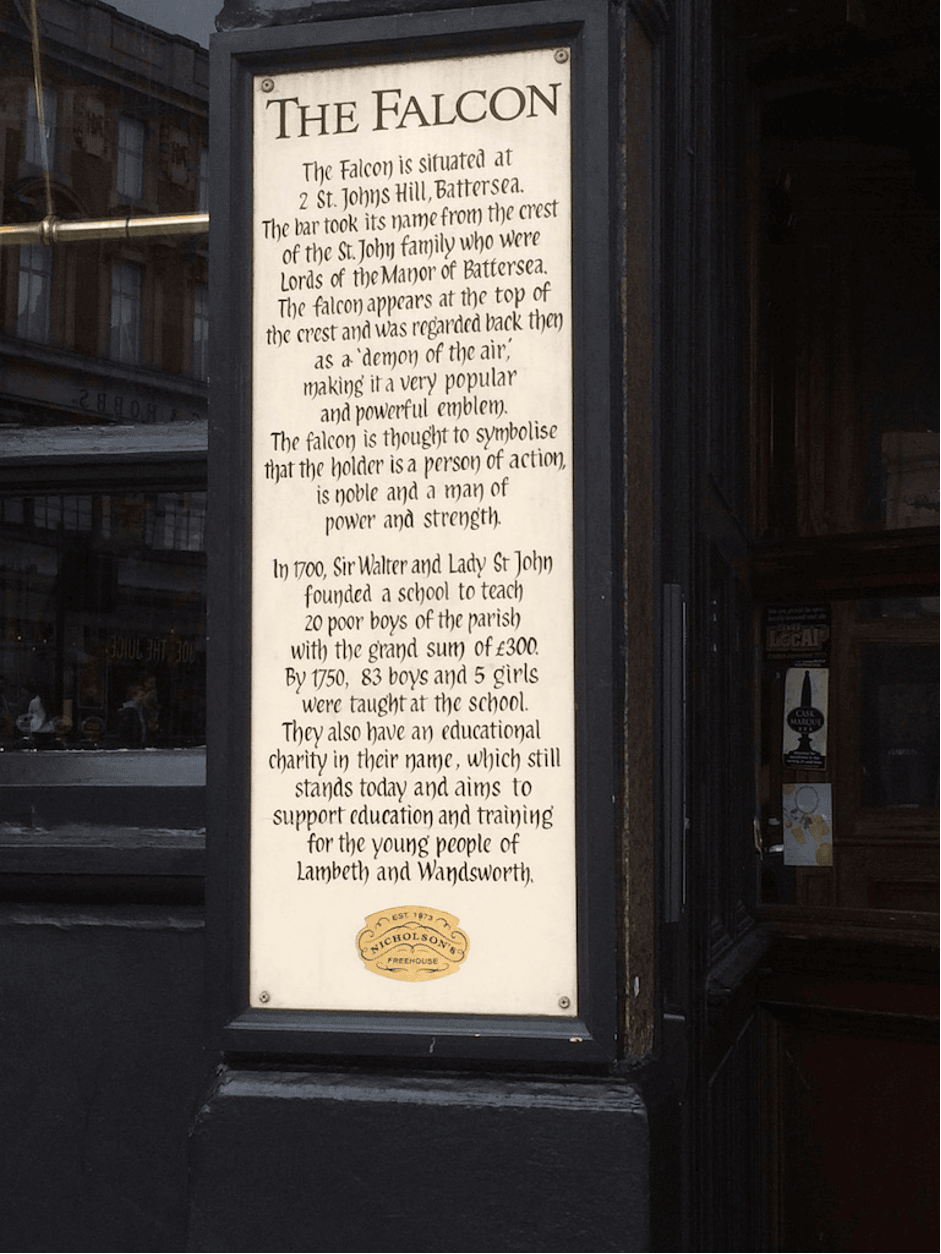
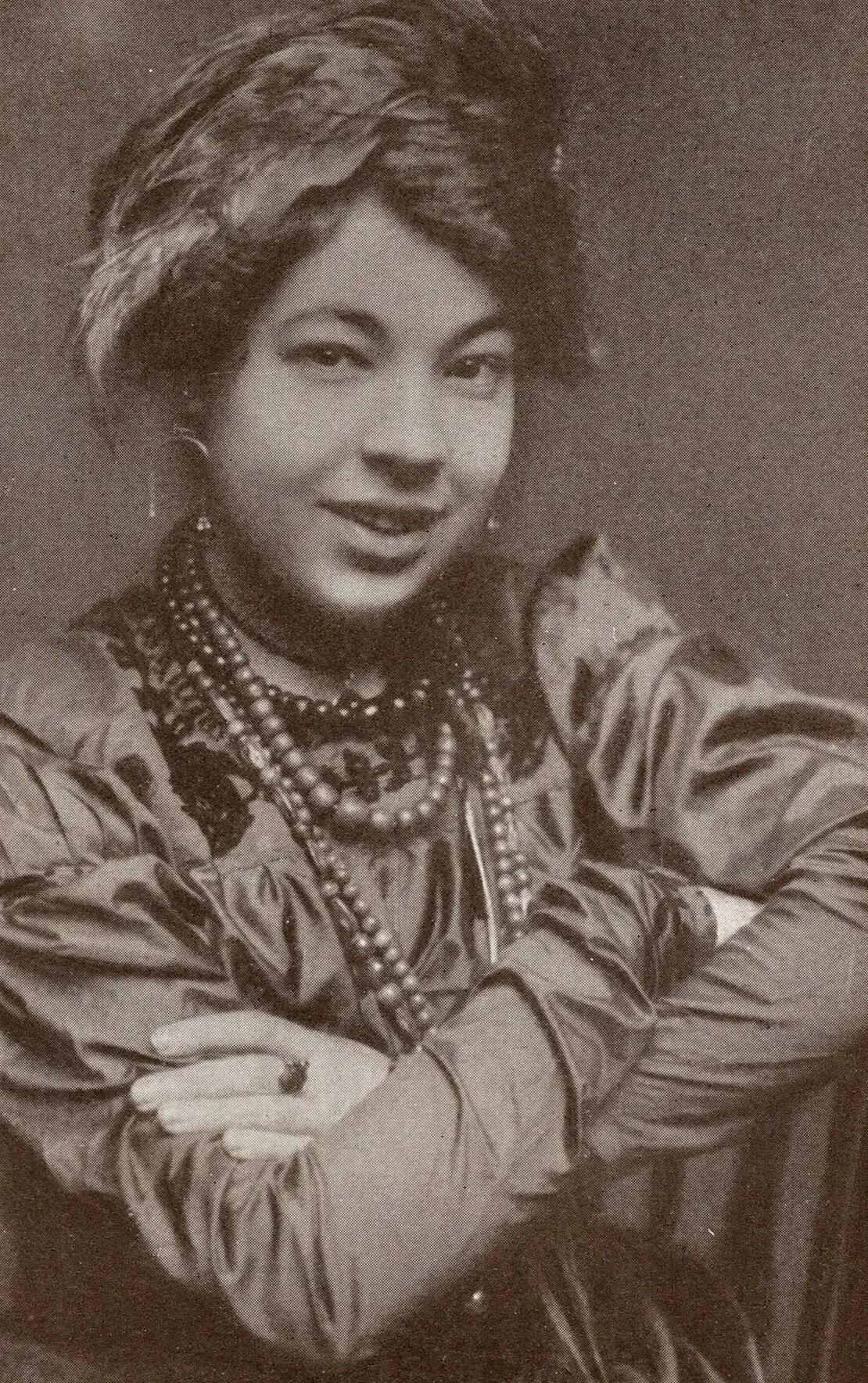
The artist Pamela Colman Smith was living in Battersea when she created the illustrations for the Rider Waite Tarot, which has sold millions of copies worldwide.

Jane Roberts, Liberia’s very first First Lady, lived in Battersea towards the end of her long life. Find out more about her remarkable life


Take an enjoyable walk around north Battersea to learn about some of our distinguished residents.

Garton’s Glucose factory was located on Battersea’s riverside from the 1880s. The source of the infamous ‘Battersea smell’, it was also the site of a tragic accident in 1899.

Orlando Jones & Company manufactured starch from a factory on Battersea’s riverside, next to Price’s Candle factory, for over 50 years.


Battersea Society blue plaque for Tom Taylor and Laura Barker to be unveiled Saturday, 28 September.


Lorna Menzie weaves the fascinating story of Kaikhoshru Kaicobad Puntheki and the most unusual memorial in Battersea Rise cemetery.

2025 Update: Beating the bounds will be reprised on 4 May. To find out what it’s all about, read on.


Plaque unveiled commemorating Penelope Fitzgerald, the enigmatic, late-blooming literary phenomenon.


Brian Barnes, was a celebrated muralist, a leading light in the community arts movement and a local political activist.


In Black History Month we pay tribute to Evelyn Dove, trailblazing singer and cabaret performer, who grew up in Battersea.

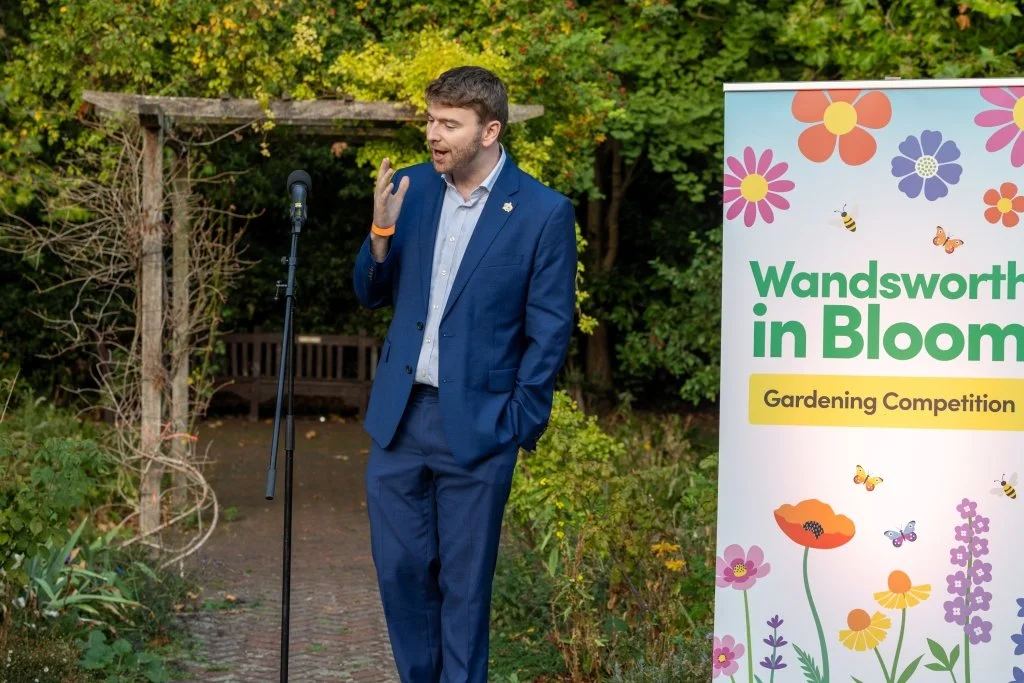
For this edition of our ‘Keeping it Local’ blog, Elaine interviews Ethan Brooks, recently appointed Cabinet Member for the Environment at Wandsworth Borough Council.

Here are some photos of the community planting morning we held on 20 October 2026 together with Enable Parks, to celebrate the 75th anniversary of Battersea's unique little World War II memorial shelter in Christchurch Gardens.
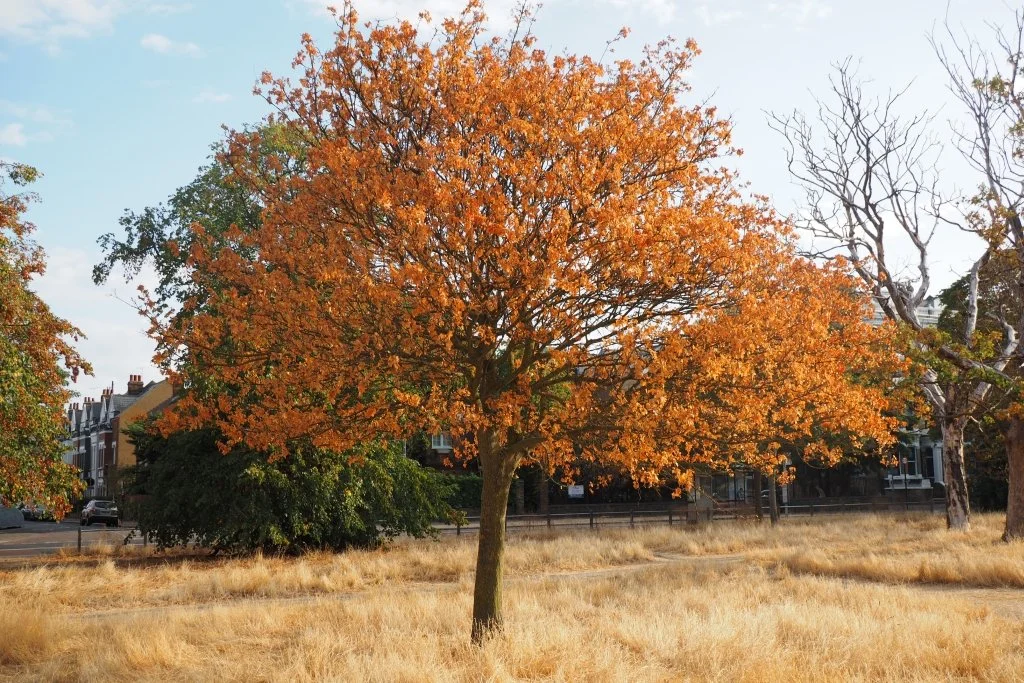
Four heatwaves and a prolonged period of drought have made the summer of 2026 a difficult time for Battersea's trees, both old and young.
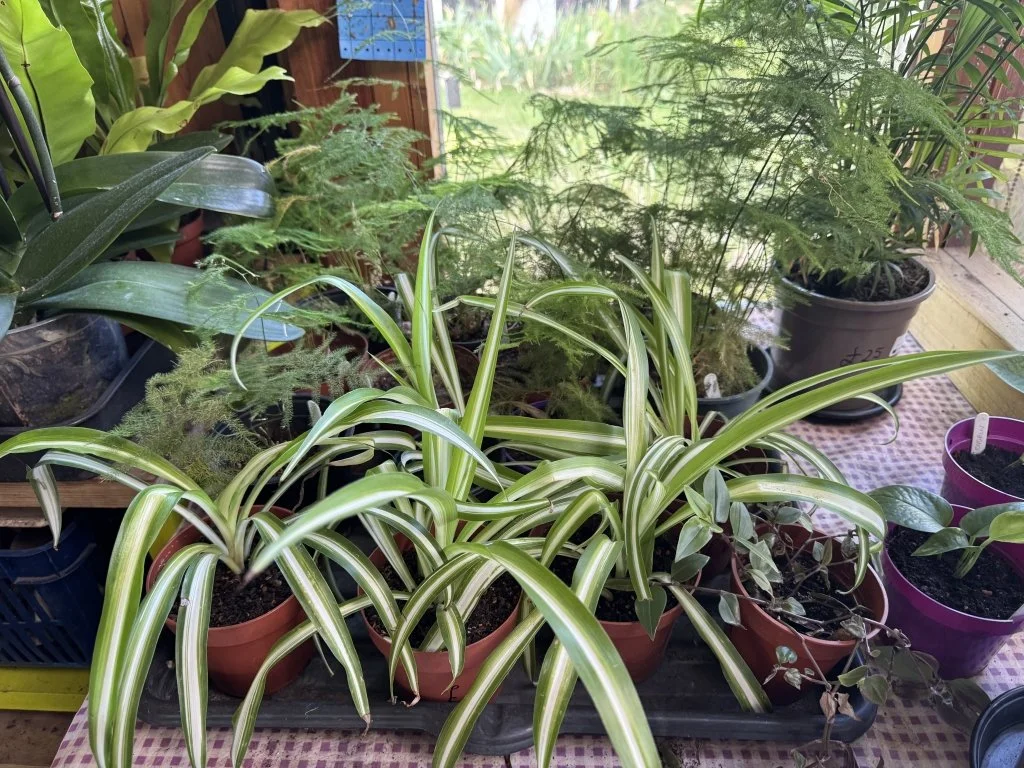
The London base of horticultural therapy charity Thrive is right here in Battersea Park; in July I went there to interview Regional Centre Manager Cathy Graham about its work.
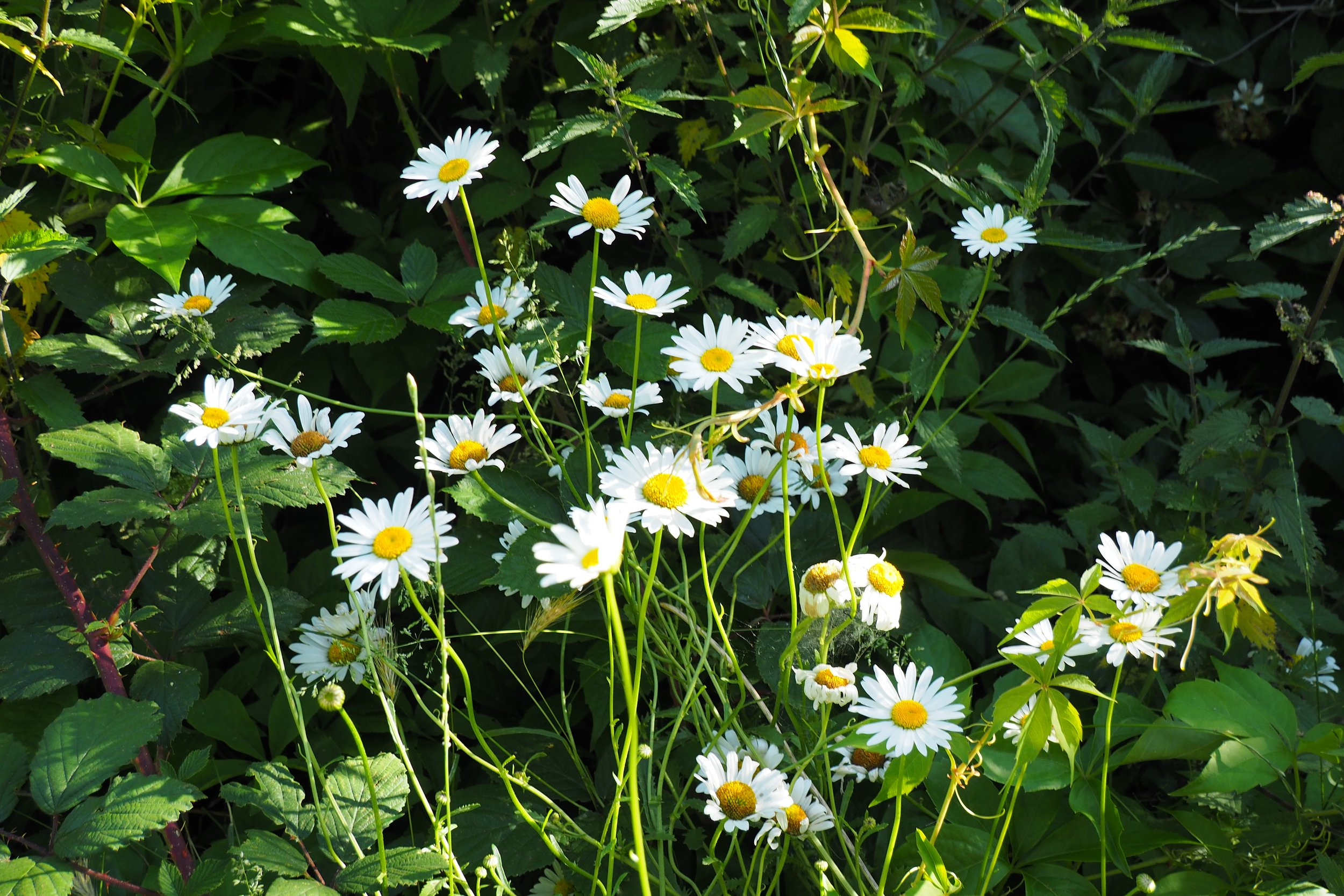
Learn more about the many species of plants we identified during our fourth annual citizen science survey of Christchurch Gardens and Falcon Park with Enable Biodiversity.
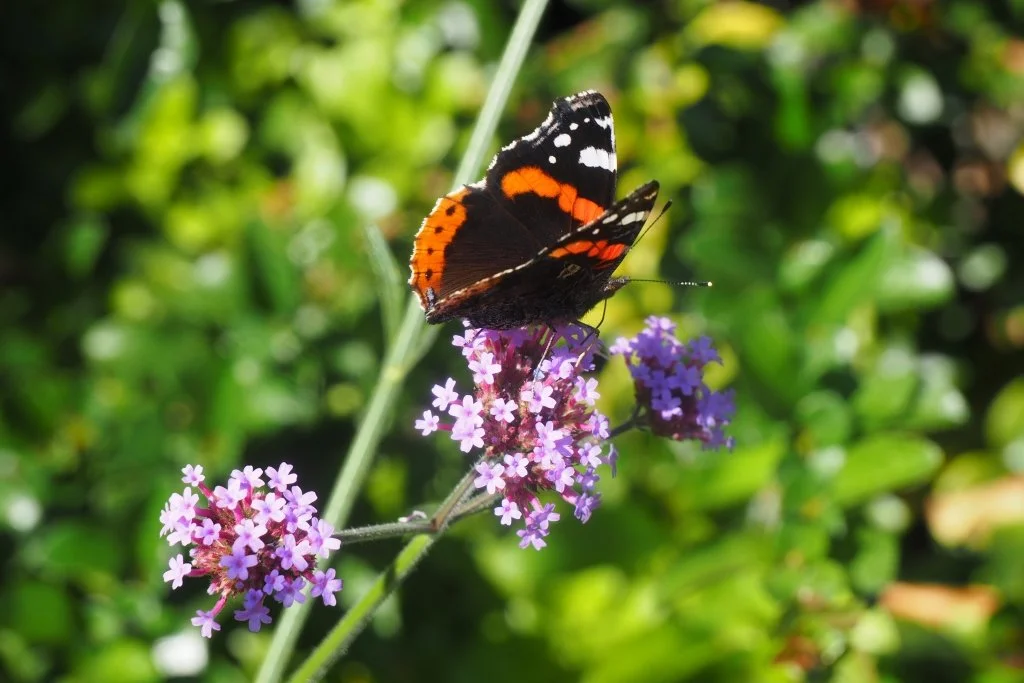
In May the annual survey of Battersea's young street trees starts; it's time as well to check out London Rivers Week 2026 (23-31 May), and help choose Britain's favourite butterfly.
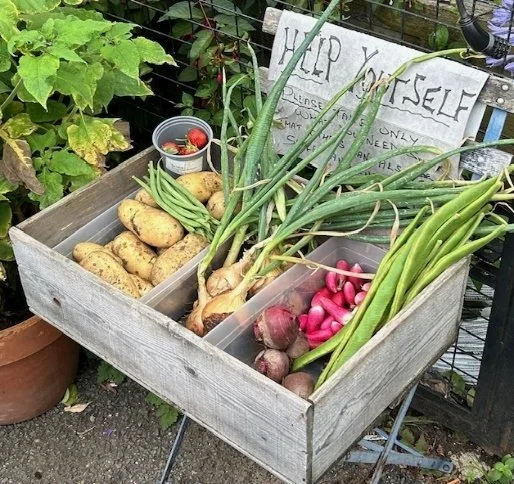
A Q&A with Tim Graham, Head Gardener of the Ethelburga Estate Community Garden. I asked him about the value of a Community Garden, the challenges involved and how they’ve kept the momentum going for over a decade.
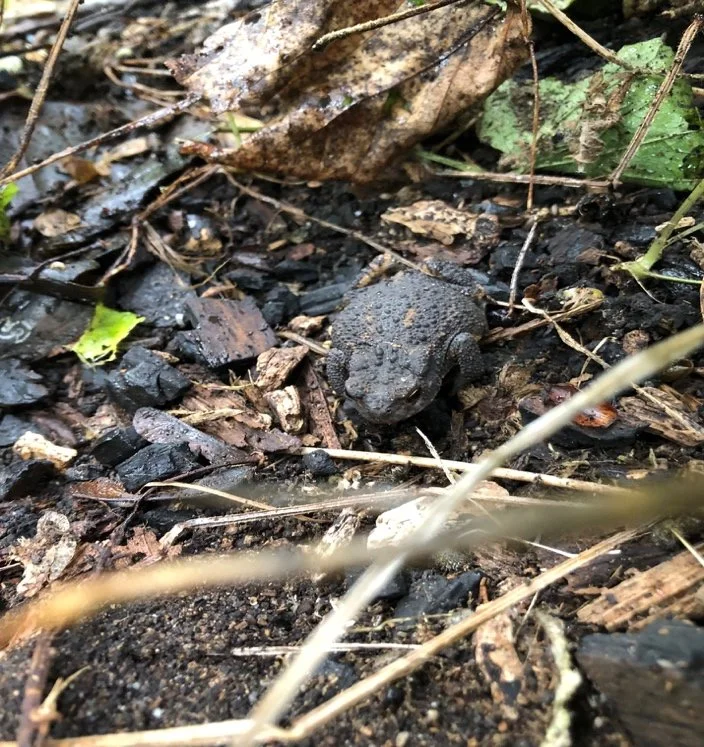
For our first blog of 2026 we are exploring Citizen Science. What is it, and why does it matter? OSC Committee Member and Trustee Elaine Michel interviewed Enable Parks' Community Engagement and Inclusion Officer, Millie Coe, about the value of Citizen Science.
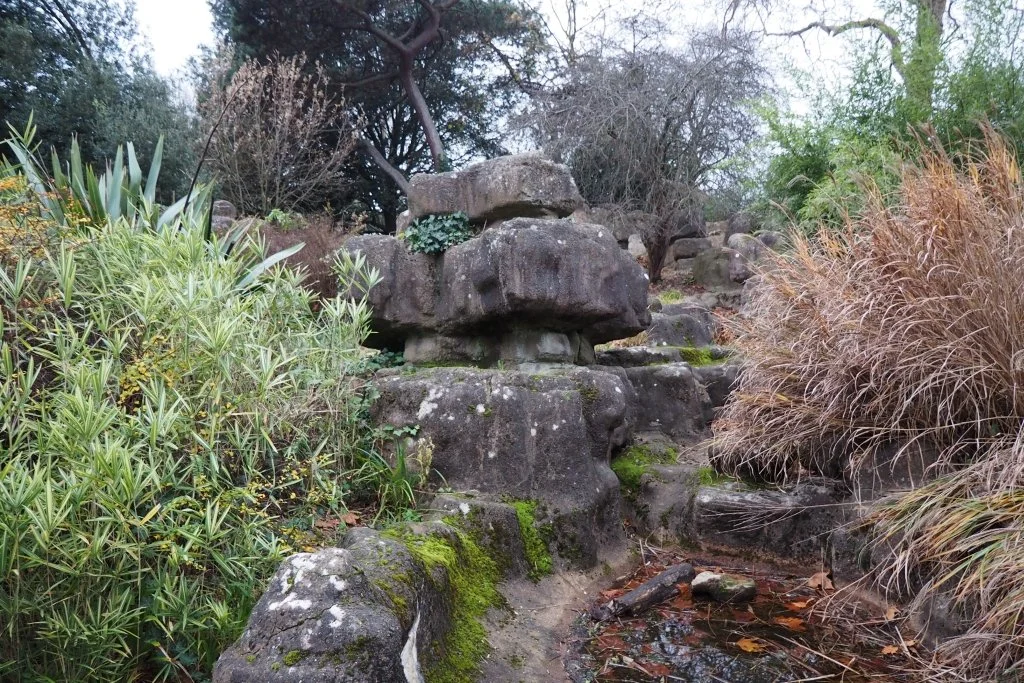
Take ten minutes if you can to help inform the park’s current Victorian Cascades restoration project, by filling in a brief survey from Enable Parks.
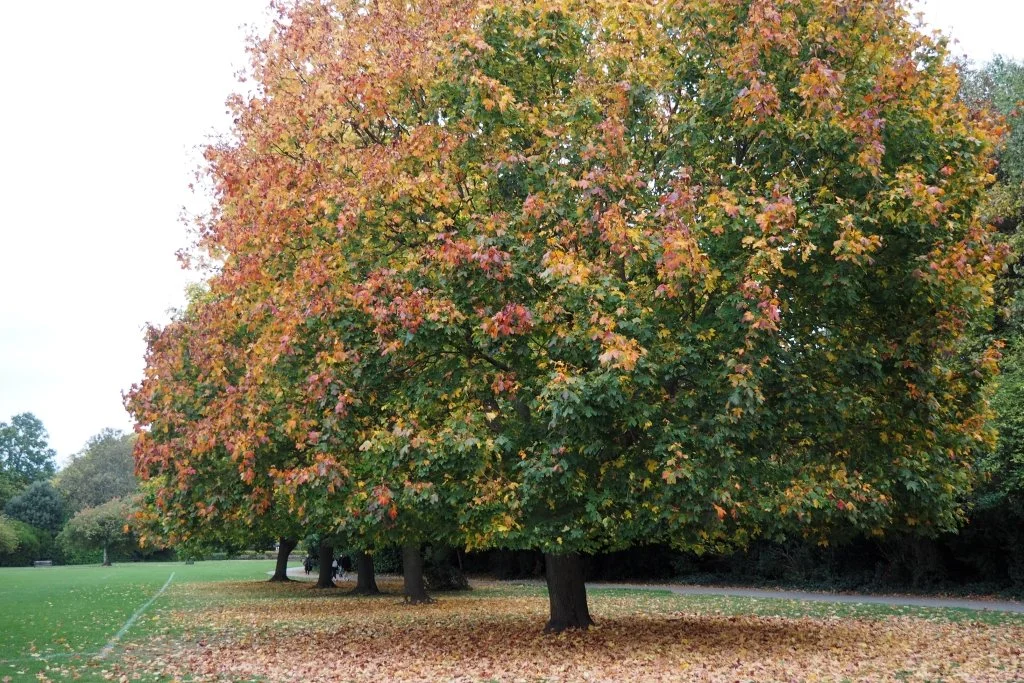
With our set of self-guided walks round Battersea's open spaces for Wandsworth London Borough of Culture Year now complete, we'd like to share the details of some others.
Climate change, environment, sustainability ... these are emotive words and phrases, and for some, a complete turnoff. Knowing where to start when it comes to educating oneself about the issues can feel overwhelming. ‘Local’ felt like a good place to start.
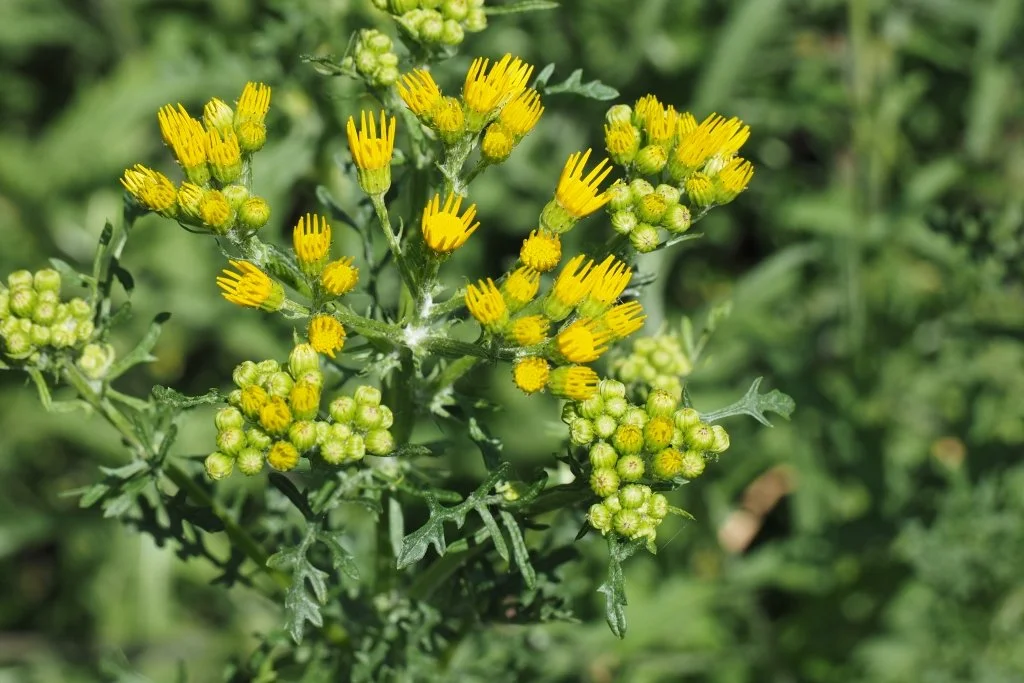
The plant species count was up for the third year running as we recorded wildflowers in Christchurch Gardens and Falcon Park again this June with the help of Enable Biodiversity.
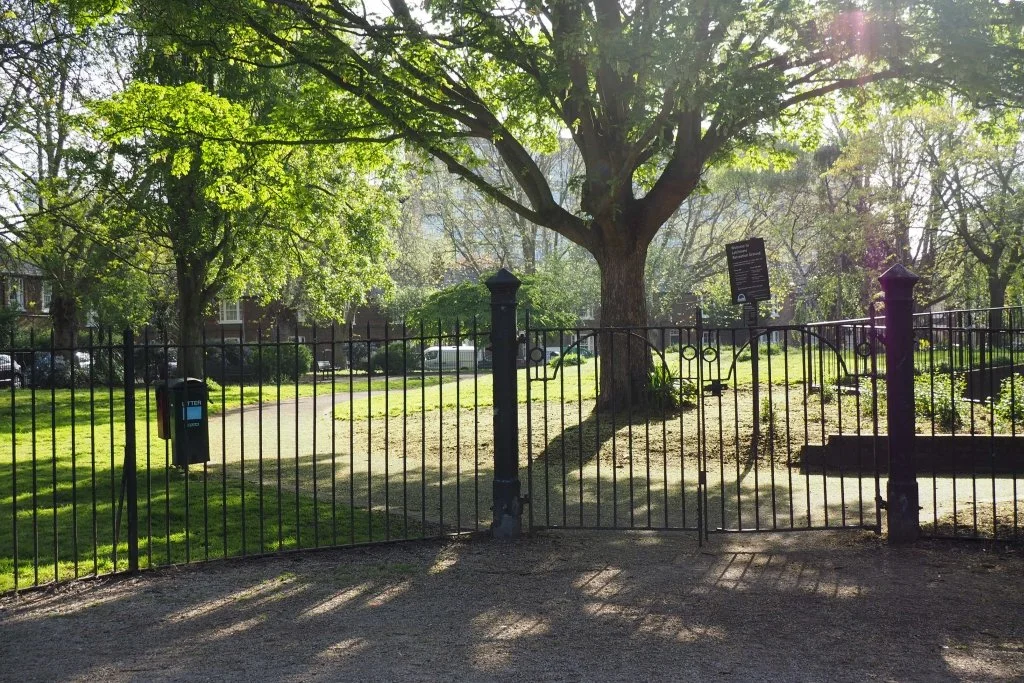
St John’s Hill to Battersea Park: walk through a winding string of smaller green spaces created between the 1880s and the 1980s, all distinct in character but never far apart. End with coffee in Battersea Park.
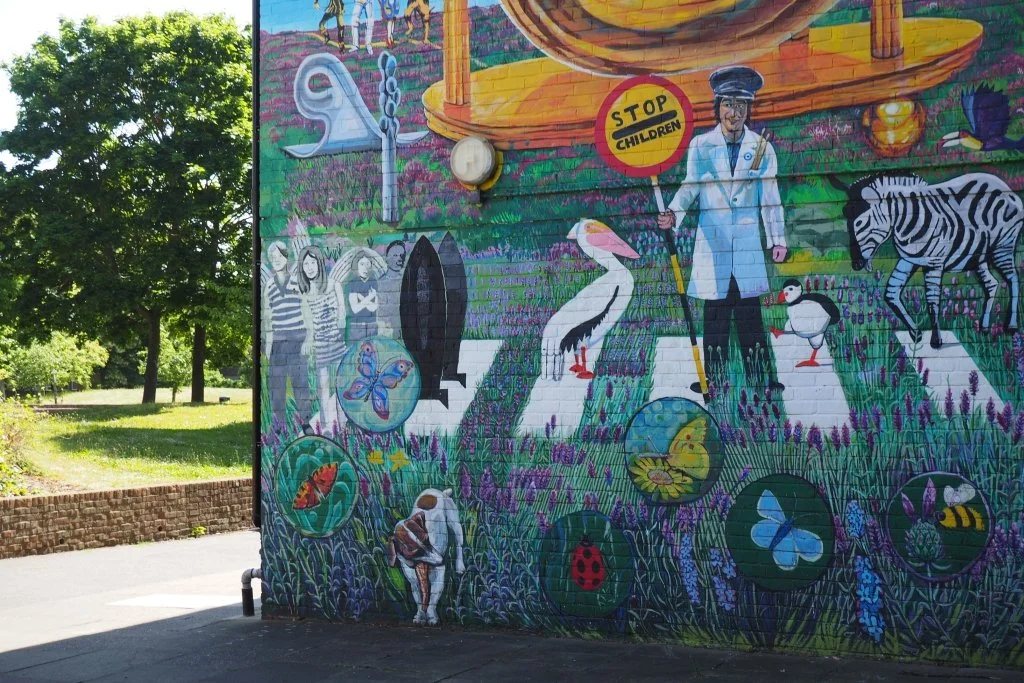
Nine Elms to Lavender Hill. A walk of contrasts: check out opulent new developers' landscaping, explore post-Second World War parks and housing estates, and follow a buried river through two Victorian conservation areas before finishing in a community garden beside Battersea's former Town Hall.
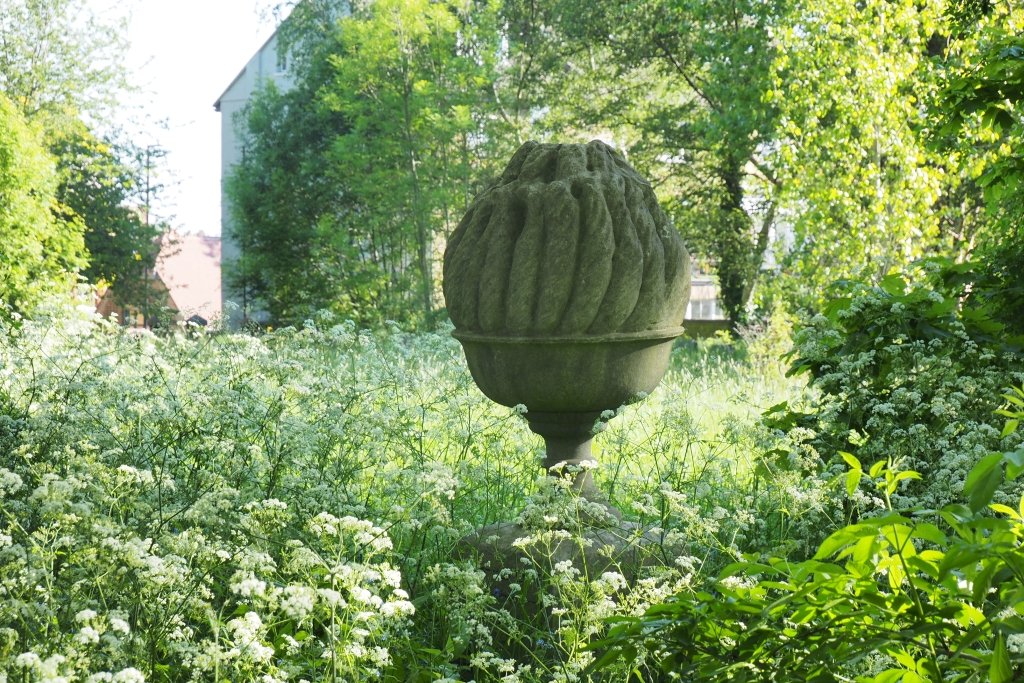
Walk through Wandsworth Common, visit pretty St Mary's Cemetery and follow Battersea Rise downhill and uphill across the valley of the Falcon river before exploring the west side of Clapham Common, finishing at its café beside Battersea Woods.
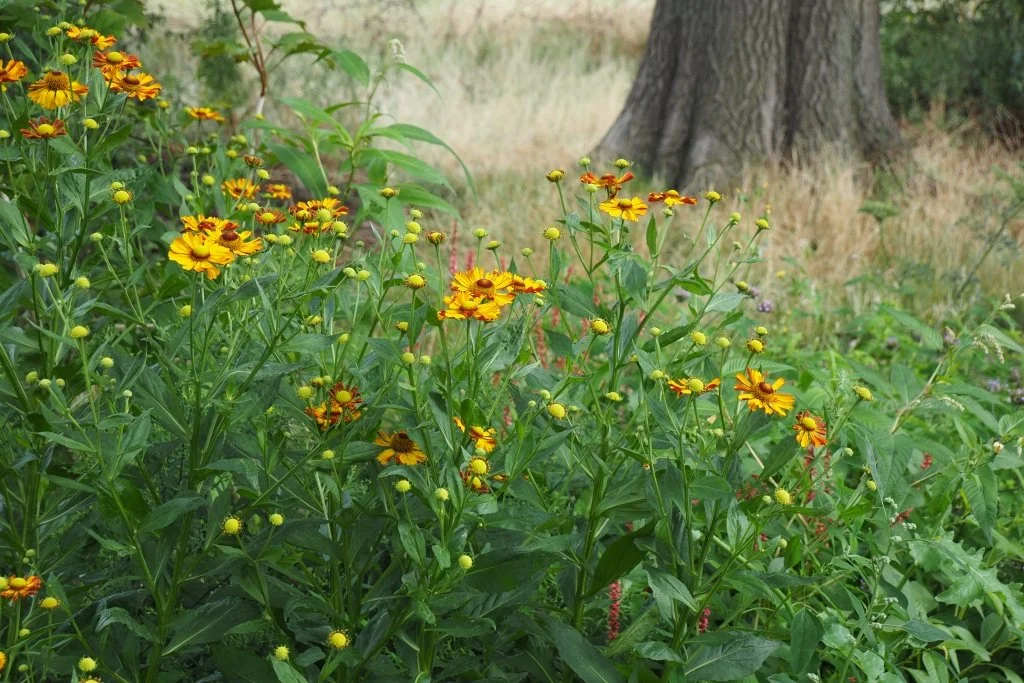
Walk southwards along the borders of east Battersea, looking out for Victorian boundary markers as you go. Discover some interesting recent biodiversity projects on the Lambeth side of Clapham Common, before exploring more of its Battersea side and the opulent area between it and Wandsworth Common. Finish at the café on Wandsworth Common.
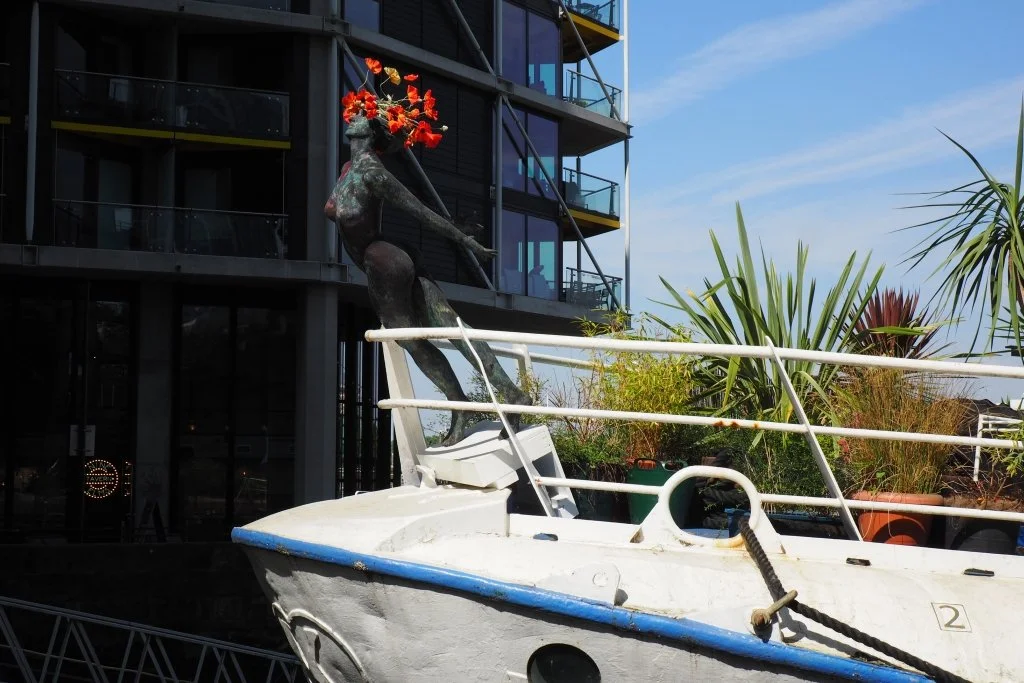
A short and scenic walk from Vauxhall Bridge to Battersea Park, past the American Embassy and Battersea Power Station. Great views of the river, plus the opportunity to explore various recently-created open spaces beside it. Finish at Battersea Park's lakeside café.
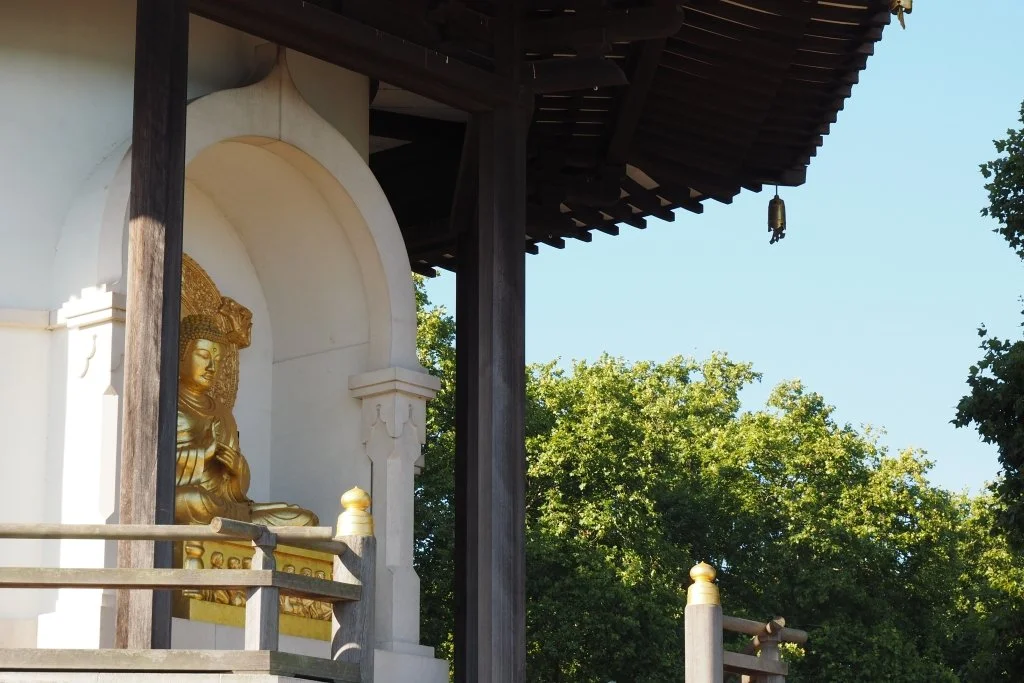
Walk westwards along the river through Battersea Park and past Battersea's old parish church, with much else to see along the way - including the views across the river to Chelsea. Finish at The Waterfront beside Wandsworth Bridge.
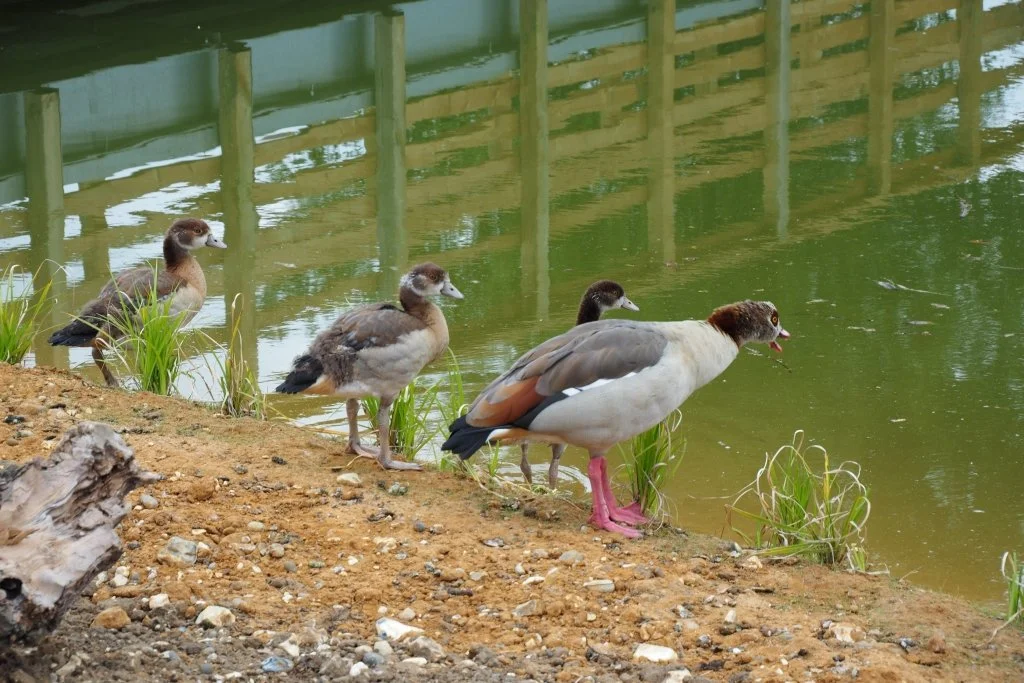
News from Open Spaces about Clapham Common, two Wandsworth Council public consultations, three London festivals—and the committee's own plans for some new free self-guided local walks.
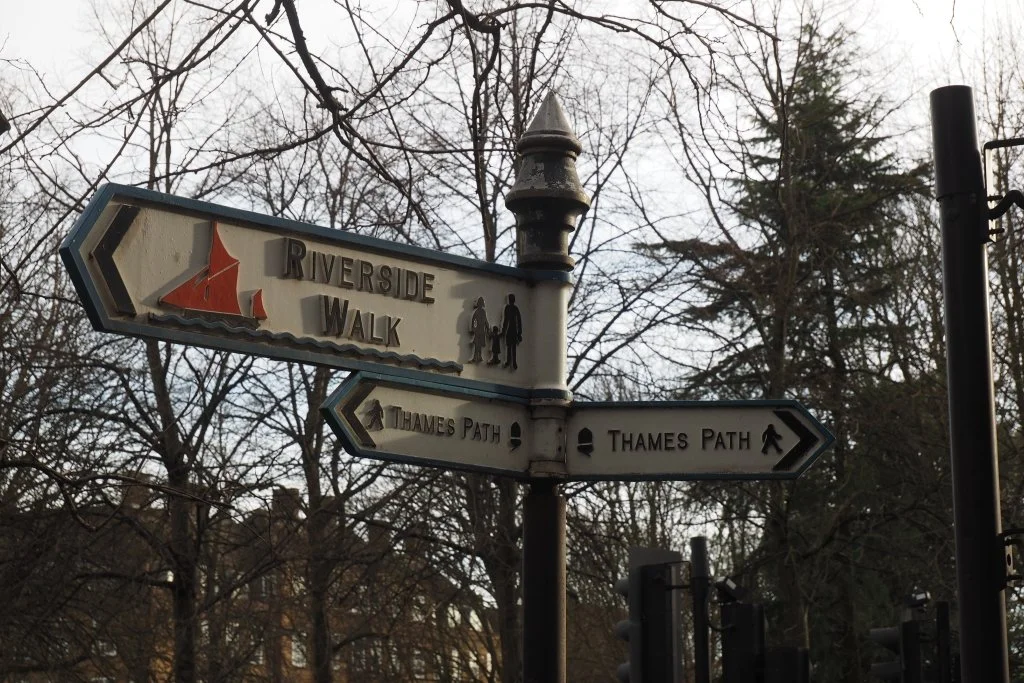
A new draft Masterplan for the tidal Thames from the Port of London Authority prompts some reflections on Battersea's Thames Path.
Both Wandsworth and Lambeth Councils have cause to celebrate within this recently-published report - and there's progress to report too on a long-awaited project to restore Battersea Park's Victorian Cascades.
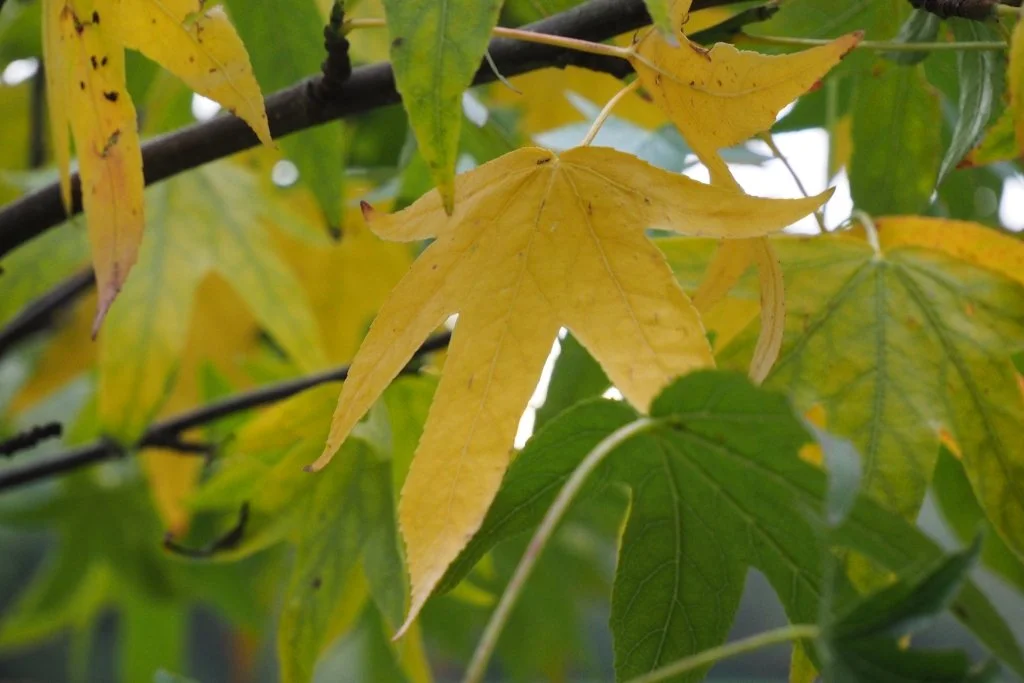
Time to: have your say on improving Latchmere Rec, record the nature in your own back garden, take a virtually-guided walk in Battersea Park - and watch our Coronation Year Tree burst for the first time into autumn colour.
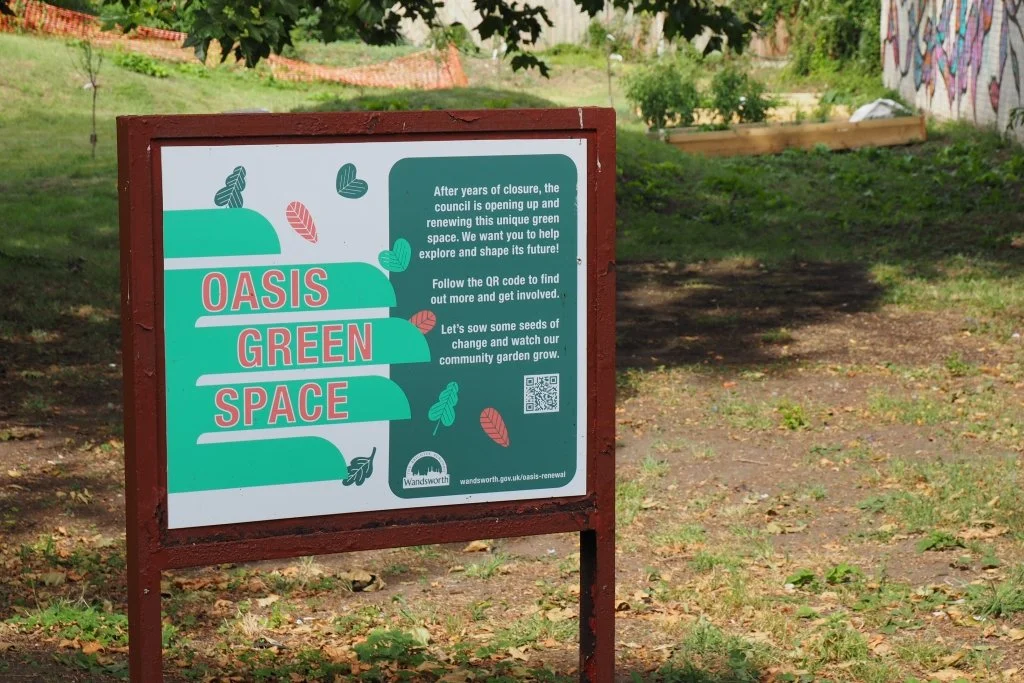
Thessaly Oasis is once more open to the public, ahead of its relaunch as the borough's first new pocket park. Could sites be found to create any more of these here in Battersea?
The results of our second annual survey with Enable Biodiversity in Falcon Park—and our first ever one within Christchurch Gardens. Plus: could you help nature out yourself, by surveying your own garden for On Your Street?
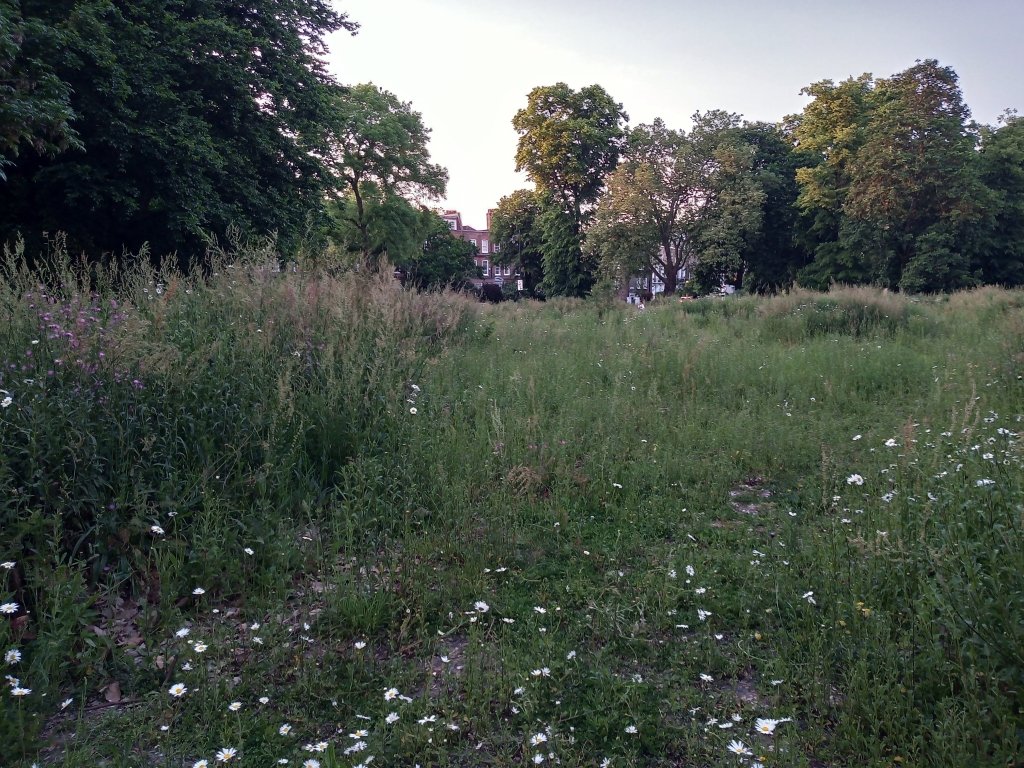
June's the time for wildflowers: could you help us with our survey? Elsewhere, summer in the parks begins with an open day at long-closed Thessaly Oasis, and a family fun day in Shillington Gardens. Read too about two new wildflower meadows on Clapham Common, and safety improvements along the Thames Path.
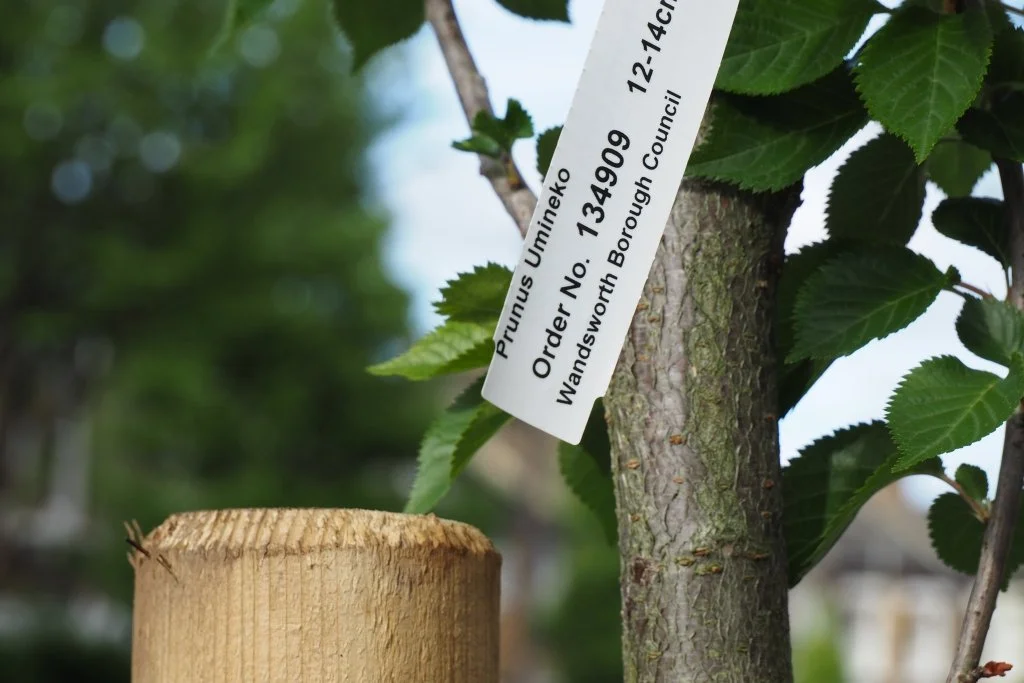
News about Wandsworth’s just-completed 2023-4 planting programme, its new tree watering regime, a forthcoming survey of street trees—and the idea of setting up a new community tree nursery.
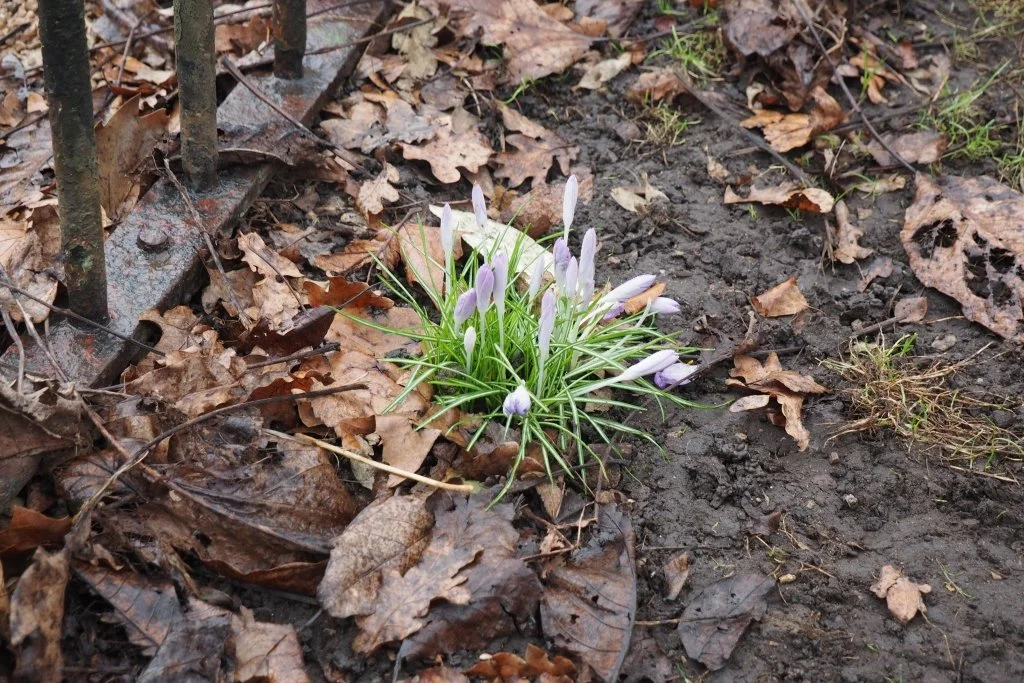
Featuring Latchmere Rec's crocuses, a new community garden initiative for the Doddington Estate, and the return of Battersea Park in Concert later this year—but also some less welcome developments along Sheepcote Lane, and across the river on Chelsea Reach.
We've just marked the end of 2023 by adding a beautiful new liquidambar tree to Falcon Park, courtesy of Enable Parks and its Tree Team.
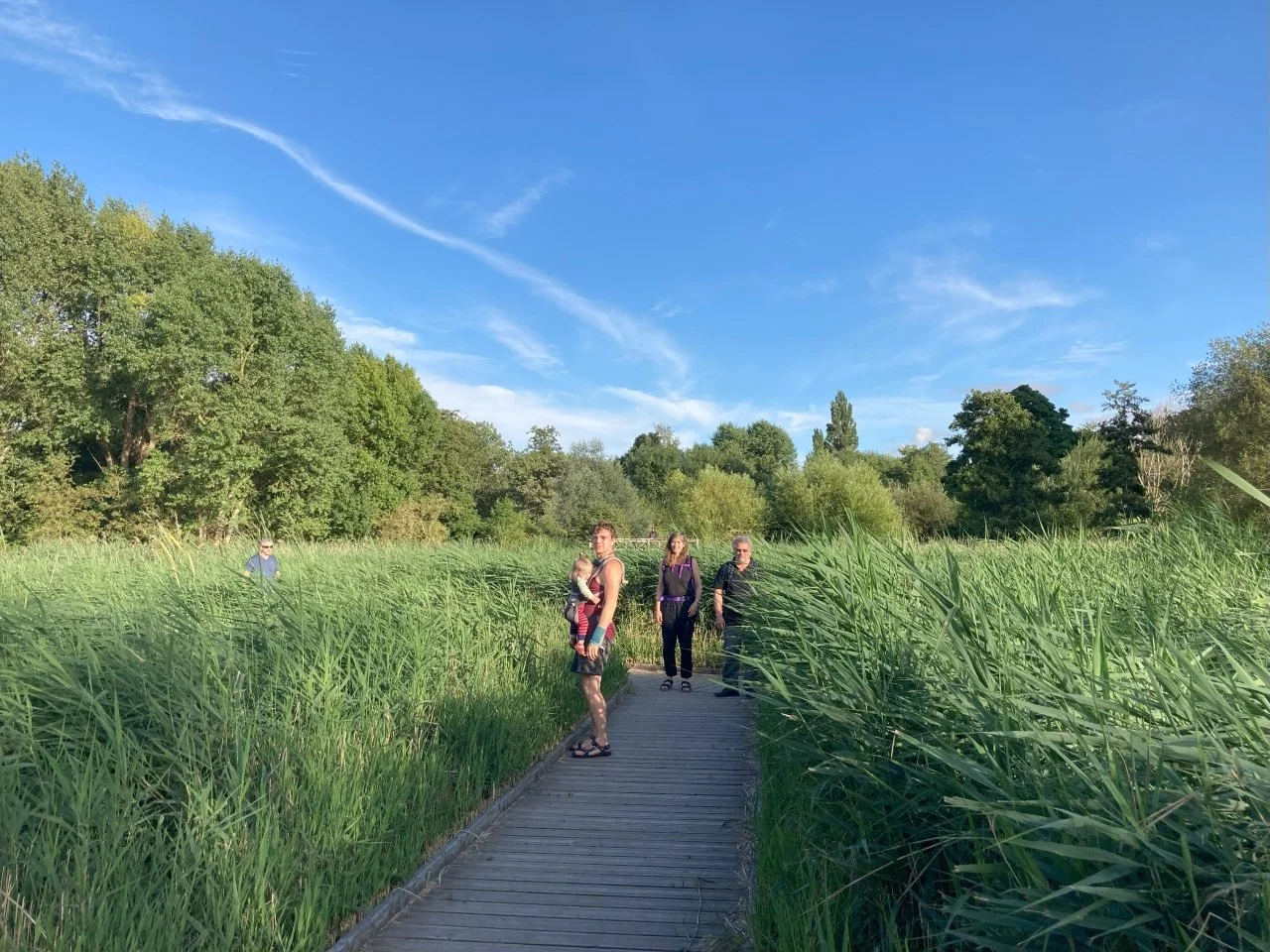
A walk along the River Wandle inspires OSC member Camilla Ween to rethink the future of Battersea's currently-hidden Falconbrook and Heathwall rivers.
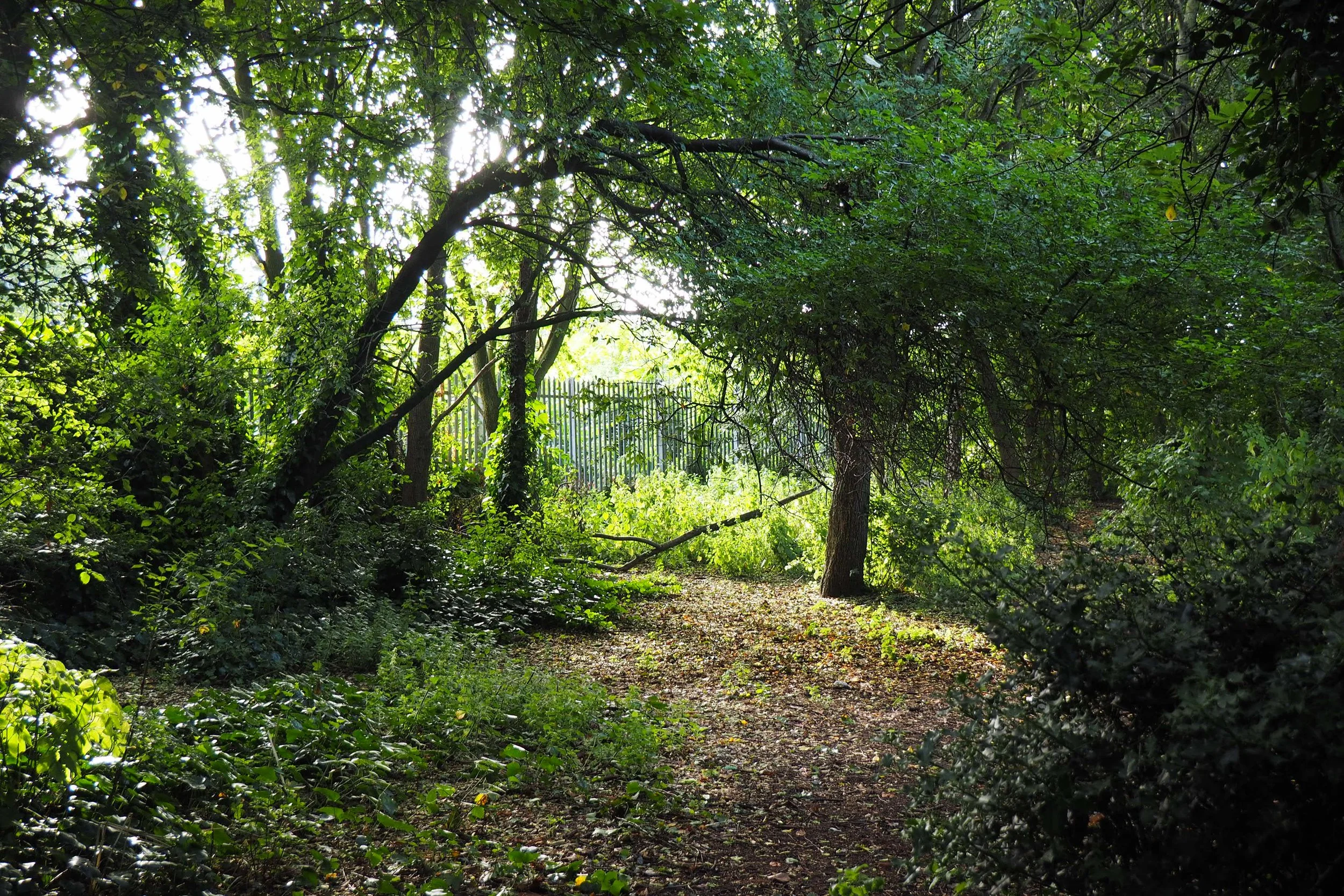
Late summer brings new wildflowers, a first three-day concert event for Battersea Park—and time to read up on the benefits of greenspace and biodiversity.


On a warm evening in August we held a neighbourhood event for Battersea Society members living near the river in north Battersea.


18 April Update: The Community and Communications committee of the Battersea Society hosted a public meeting with local candidates for the London Assembly.


The Battersea Society’s attention to climate change is broader and more long-standing than you may realise.
We have written to our MP, Marsha de Cordova, to seek her support in resisting some changes to the arrangements relating to the Licensing Act.
Earlier this year the Government gave the Mayor of London the right to call in decisions made by Councils regarding the grant of Licenses under the Licensing Act 2003. This right would be restricted to applications that were “potentially strategic” with the definition of what is classed as potentially strategic to be defined later by the Government. The Government did reassure Parliament that this was a support a “carefully constrained strategic role” for the Mayor.
The London Plan sets policies for the kinds of development that will take place across London for the next ten years. A key focus for the Plan is to set targets for the amount of new housing to be built in each borough to meet the needs of London’s population. But the policies also cover such issues as the scale, density and height of new developments, transport developments, the supply of land for commercial and industrial developments, protecting London’s heritage and the natural environment, and making London greener, healthier and more resilient. The Draft Plan was published in July, and the Society has submitted the response below.
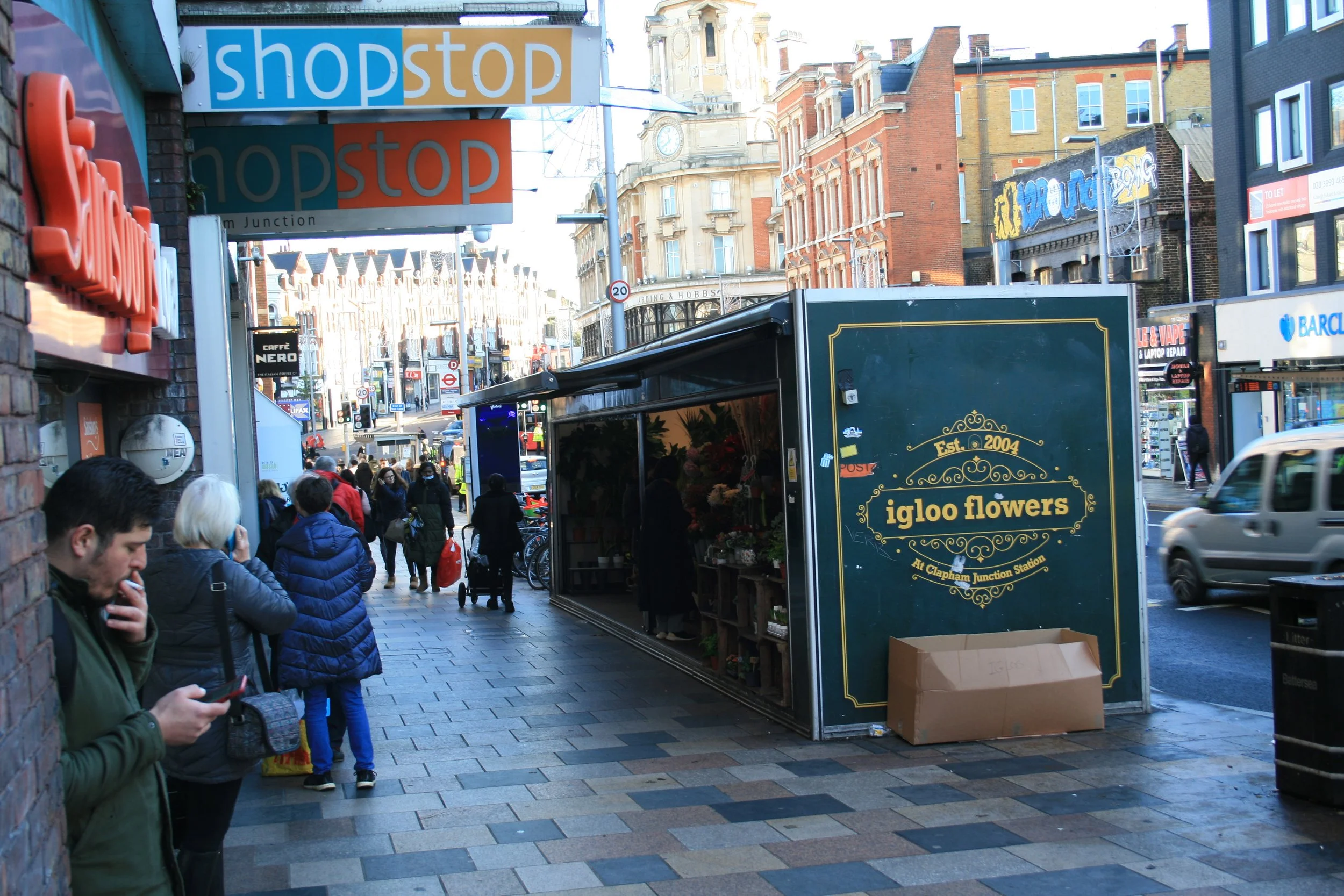
The Battersea Society objects to this application to extend for a further period of two years the temporary permission granted in August 2024 (2024/1994). Our objection is on three main grounds, which were set out in the officers’ report that recommended refusal of the 2017 application, in our objection to the application for a new kiosk submitted in 2023, and in our objection to the application for a temporary extension in2024. Those grounds still stand.
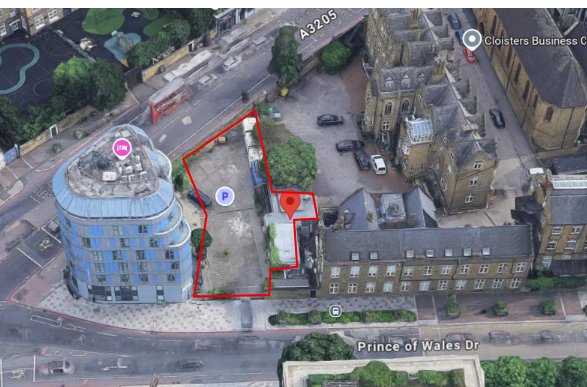
The Battersea Society objects to this application for four town houses on the site adjacent to Creative House within the Battersea Park Conservation Area. While we accept there are legal issues relating to leases on Creative House we consider that in planning terms it would be far preferable for the entire corner site to be redeveloped as a comprehensive scheme, given its significant location as an entry point to both the Battersea Park Conservation Area and Nine Elms.
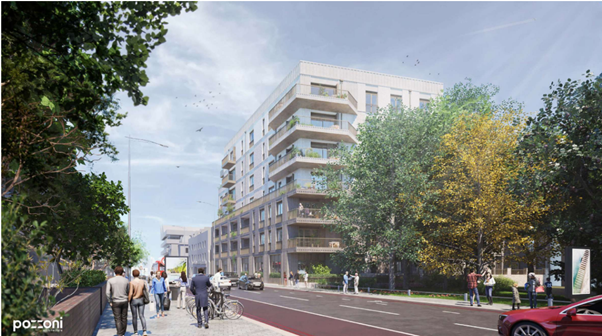
The Battersea Society objects to this application which is an unneighborly and poorly configured over-development of the site with concerning plans for access, a likely underestimate of traffic and no mention of affordable housing provision, within a site formerly used by a Council facility. The redevelopment offered an opportunity to provide functional new facilities within a building better related to the site. This opportunity has been lost with a large building set too close to the pavements in Parkgate and Battersea Bridge Roads.
Many people in Battersea will have seen the recent announcement about the agreement between Wandsworth Council and Battersea Power Station to build 200 new houses for social rent as part of Phase 5 of the Power Station development. That’s obviously very welcome.
But at a more strategic level, the Council published proposals back in October 2023 to increase the amount of affordable housing across the borough. Essentially, the proposal was to increase from 35% to 45% the minimum proportion of affordable housing for any large development of more than 10 homes; and of that affordable housing, 70% would have to be for social rent. If they proposed lower proportions, developers would have to submit to a series of detailed viability assessments. The proposals also included further restrictions on the building of student accommodation, of large-scale single-room ‘co-living’ developments, and on build-to-rent schemes.
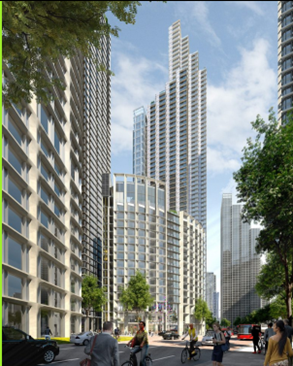
If you travel along the Wandsworth Road towards Vauxhall from Battersea, you cannot but be aware of the vacant site just before you get to the one-way system and the bus station. The site is just over the boundary between Wandsworth and Lambeth, and it has been empty for more than a decade, while the Thames City development across the road has been built up. Now there are proposals for a huge development with the two tallest towers yet for Vauxhall.

Works at the bridge are now well over half way, and we are looking forward to completion. At this very late stage, a new planning application (2025/3448) has been submitted showing the designs for the panels that will be paced on the walls. It is a pity that these were not sublmitted when they were prepared back in July, along with the details of the work as whole, and before it actually started.
You can find the designs here. They are vibrant and colourful, and will make a real difference to the experience of walking - even driving or going on a bus - through the tunnel.
We wrote on these pages in February about Wandsworth Council’s partial review of its Local Plan , and again in March about the GLA’s opposition to most of the changes. The review is now reaching its final stages. An inspector has now been appointed to assess the changes, and he will hold an ‘Examination in Public’ in the Town Hall from 4-6 November.
The Local Plan currently in force was drafted under the previous Council regime in 2020-2021. The current Labour Council initiated the review in 2023, a year after it was elected. Its core aim has been to increae the amount of affordable housing required when large developments take place, from 35% to 50%, along with changes to the need for ‘viability assessments’. Other changes seek further restrictions on the development of purpose built student accommodation and on large-scale ‘co-living’ developments; and changes to policies relating to ‘build-to-rent’ developments.
The Planning Committee has submitted responses to drafts of two Supplementary Planning Documents (SPDs) issued by the Council. The first relates to Planning Obligations, the second to Trees and Development. Our colleagues in the Open Spaces Committee have also submitted comments, and in addition comments on a third draft SPD, on Biodiversity.
The Planning Obligations draft SPD covers ‘s106 agreements’, legal agreements between planning authorities to mitigate the impact of a development on the local community and infrastructure by securing obligations such as financial contributions or the provision of infrastructure like affordable housing, transport, and community facilities. In the current case the draft covers all the policies in the Local Plan, except housing, which will be dealt with separately, once the current review of the Local Plan is completed.
The Trees and Development SPD is intended to provide guidance for developers to assist them in managing and protecting trees during development. It aims to maximise the delivery and protection of trees during the planning process, in order to improve the environment, biodiversity, health and built environment throughout the borough.
Wandsworth Council is currently running three consultations on its planning policies. They take the form of draft “Supplementary Planning Documents” (SPDs) which flesh out in more detail the policies and guidance set out in the Local Plan. The three drafts relate to
· Planning Obligations
· Biodiversity, and
· Trees and Development
Along with our colleagues in the Open Spaces Committee, we are considering the three drafts and will submit our comments by the deadline of 30 September.

Wandsworth’s score in the latest Healthy Streets Scorecard has fallen from 5.65 to 5.45. It therefore fell from 11th to 13th among all London boroughs; and among inner London boroughs, only Lewisham and Kensington and Chelsea have a lower score . Unless significant improvements are made, it is likely to fall further next year.
The Battersea Society strongly opposes the Government’s proposals, which would forbid planning committees from considering any planning application that the Government defines as ‘minor’ or ‘technical in nature’. Most such developments are already determined by officers under local schemes of delegation. But the Government’s proposals will allow for no exceptions. Even where small developments raise important issues relating to listed buildings or parks, or harm to conservation areas (which are not even mentioned in the proposals), decisions will be made in private by officers, rather than in public by elected councillors.
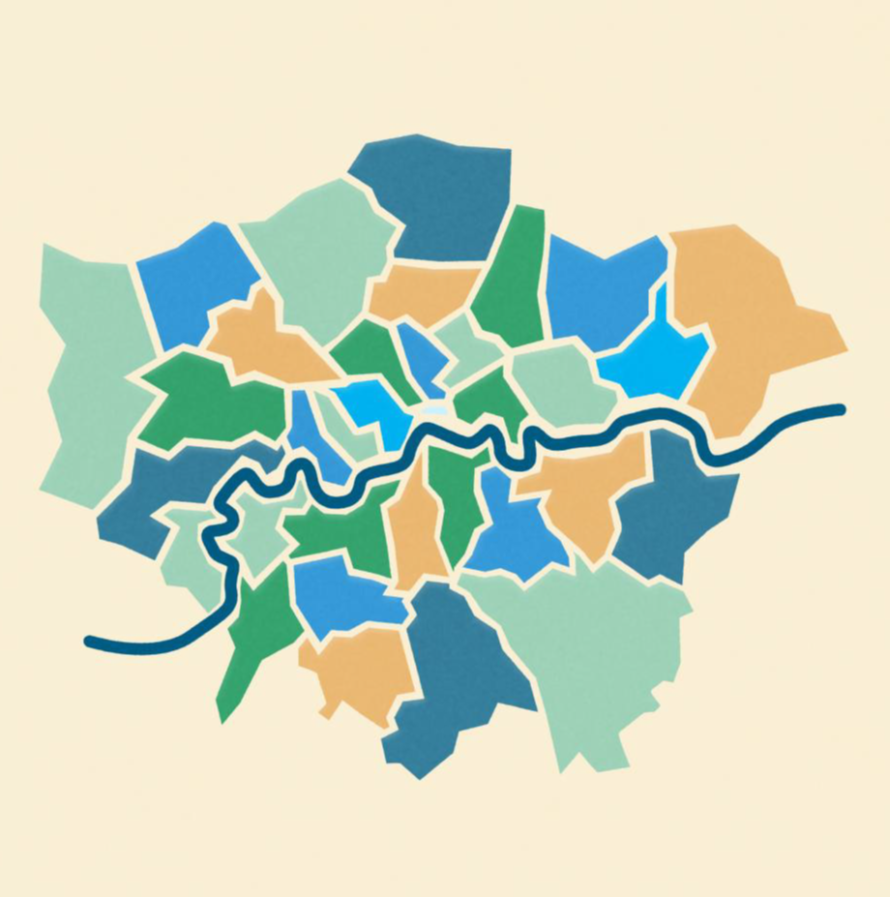
In its response to the consultation on the new London Plan, the Society questions the arbitrary assumptions which have led the Government to set a target of building 880k new homes across London in the next ten years.
The Battersea Society objects to this application which fails to meet the requirements of the site allocation within the Local Plan guidelines or the York Road/Lombard Road SPD.
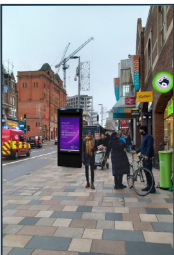
The Battersea Society objects to this application for the erection of what is effectively a large-scale structure for advertisements. This siting is particularly harmful

The Mayor issued last month a consultation paper setting out key issues for the future of London and how they might be addressed in a new London Plan
As many people will know, Wandsworth’s Planning Applications Committee refused the Glassmill application at its meeting on 24 April. We always knew thtat would not be the end of the story, since the developers had stated that if their application was refused, they would submit an appeal. There was also the possibility that the Mayor would ‘call in’ the application, a procedure under which the Mayor and his officials take over from the borough responsibility for determining applications that meet certain criteria. But the Mayor decided late in May that he would not call in the application.
In October 2023, Wandsworth Council published some proposed changes to the Local Plan which it had inherited from the previous Conservative Council. The key aim of the changes was to increase the proportion of affordable housing in new developments to 50%.
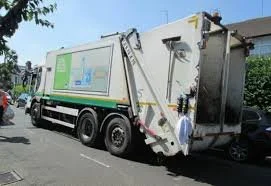
Wandsworth Council’s Transport Committee approved at its February meeting a draft Reuse, Recycling & Waste Management Supplementary Planning Document (SPD).
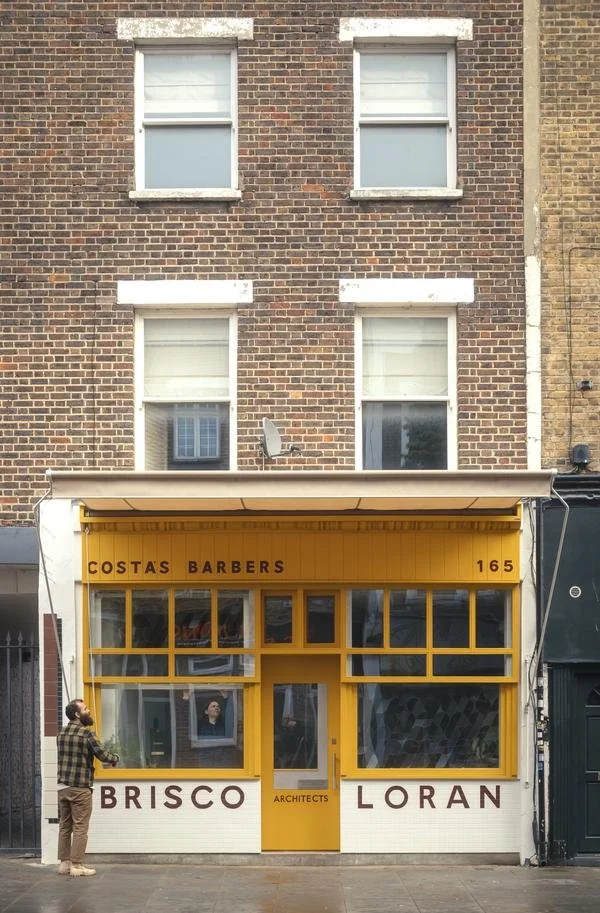
Costa’s Barbers on Battersea High Street was the subject of an article in the most recent issue of Battersea Matters. It is now included among thre 78 projects that have been shortlisted for the RIBA (Royal Institute of British Architects) London Awards 2025.
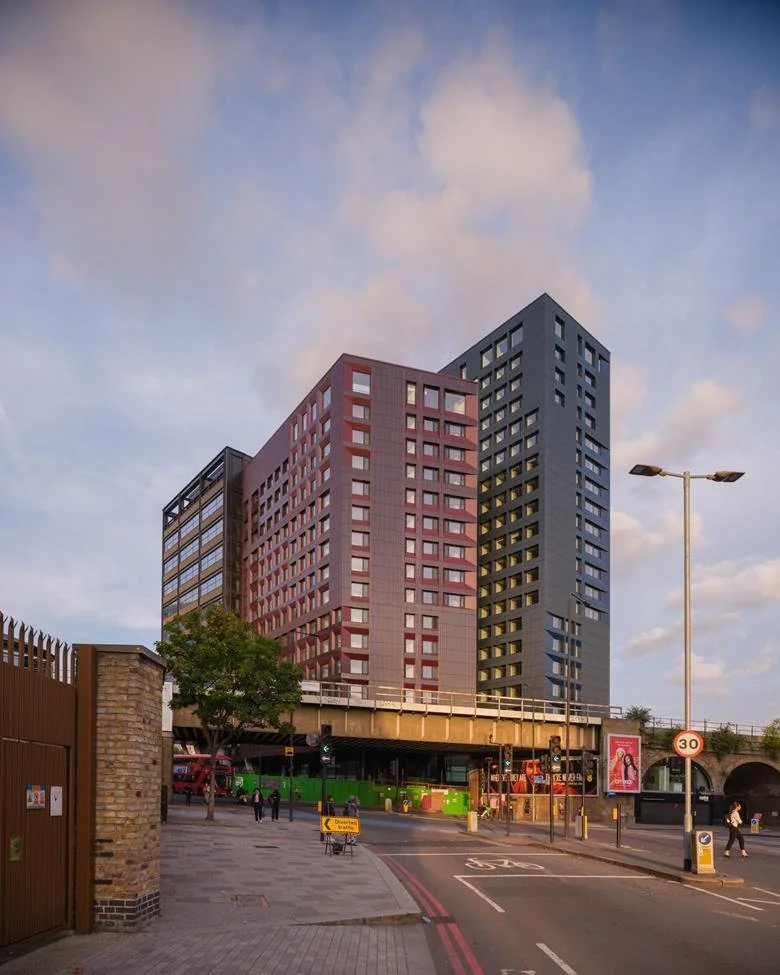
There’s been some controversy about the amounts of student housing being provided in Wandsworth; over the past five years, about a thousand student rooms have been completed, under construction or planned.
The Battersea broadly welcomes the proposed changes to the Local Plan set out in the consultation draft, particularly those that aim to increase the amount of affordable housing. But we have reservations about some aspects of the proposals, especially those relating to housing mix.
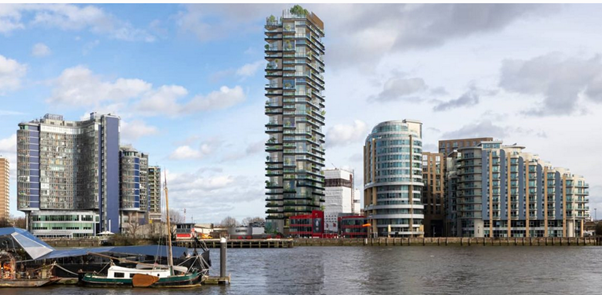
The Battersea Society objects strongly to the revised application for a ground floor plus 28-storey tower on a small but very prominent site facing the River Thames next to Battersea Bridge.
The Battersea Society supports this application for the opening up of the subway from the south of Battersea Park Road.
This is something we have long called for as it will make access to the underground station safer and easier for residents and students to the south.
The Battersea Society generally welcomes the review of the NPPF although much of it does not reflect the nature of planning pressures and limited strategic options available in Battersea.
The Battersea Society objects strongly to this application for a 34-storey tower on a small but very prominent site facing the River Thames next to Battersea Bridge.
The Battersea Society objects to the significant design changes proposed. We also consider the play and amenity space proposed is inadequate and are concerned that the community uses are too focussed on cultural amenities and on events.
The Battersea Society objects to this application which is an unneighbourly over- development of a site in a narrow and heavily trafficked road.
The Battersea Society objects to this application which is an unneighbourly over- development of a site in a narrow and heavily trafficked road. We have read with interest the detailed comments from West & Partners and support their views. In particular we share their concern regarding: the impact of a second tall building on views of the existing marker building to the west; the lack of off-street servicing and delivery space; effect on transport and parking in the area; the extent to which the building covers the site and its proximity to the next door building and poor standards of accommodation, particularly in regard to daylight levels.