OPEN SPACES COMMITTEE
Clare Graham, Chair
OSC: what we do
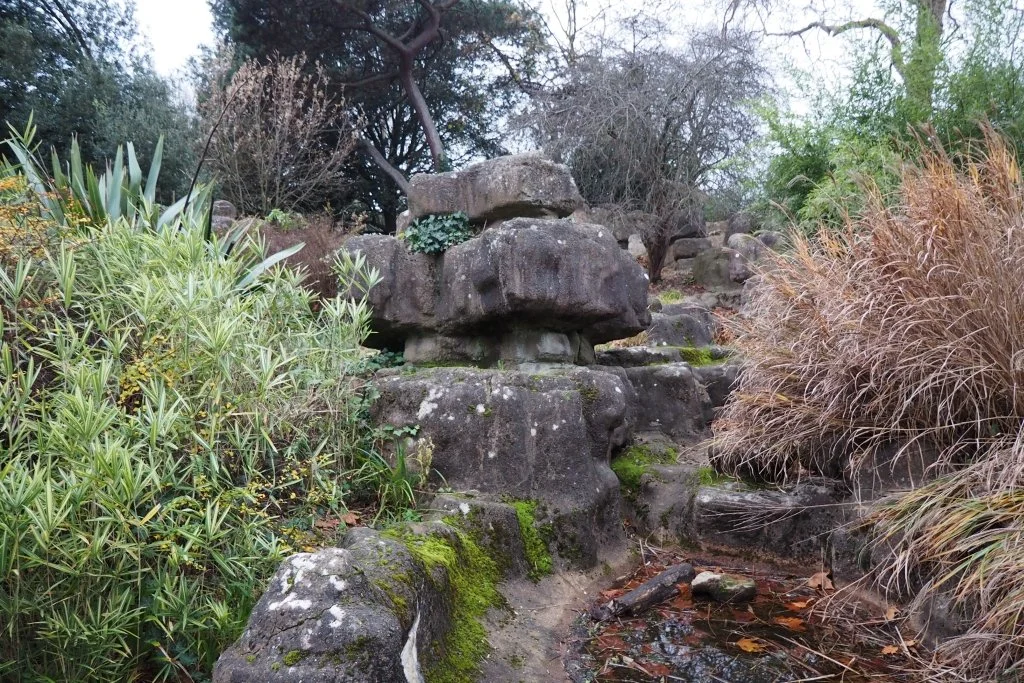
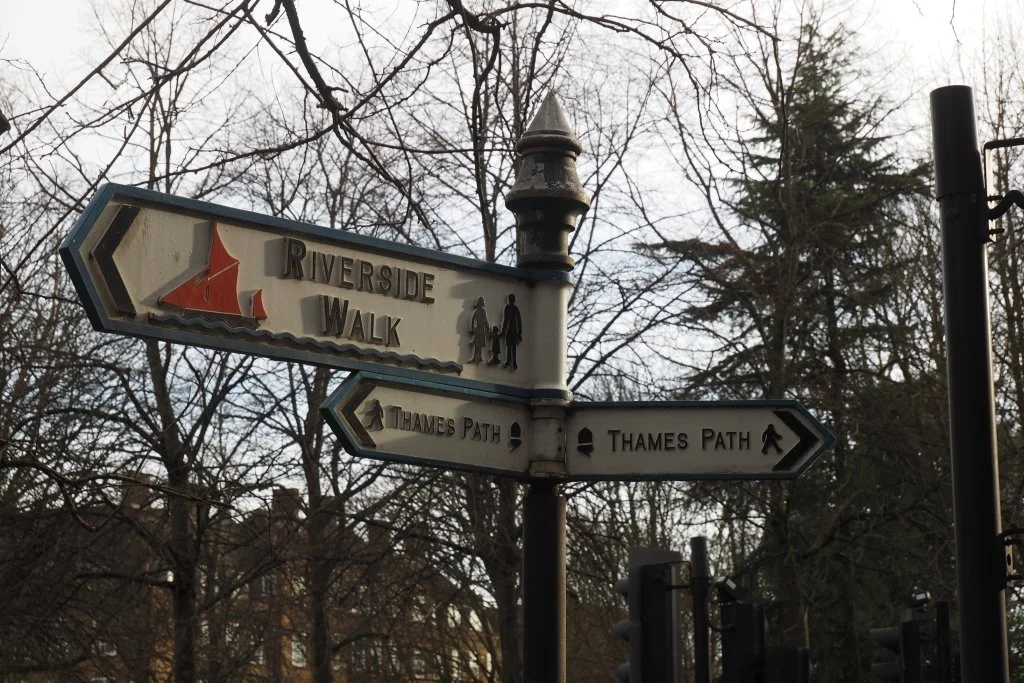
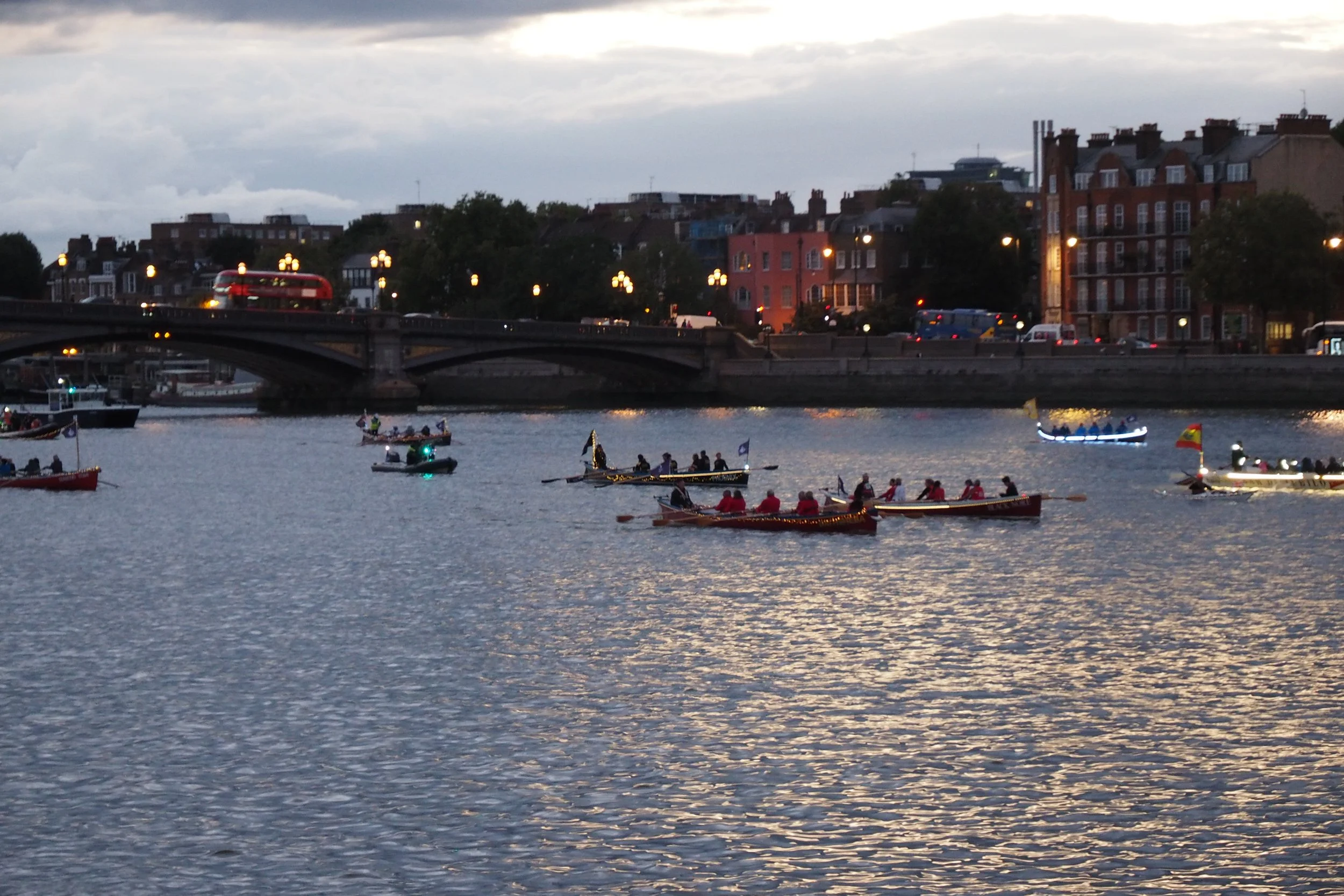
The Open Spaces Committee exists to protect, promote and help improve Battersea's open spaces; we also hold the watching brief for its street trees, Thames Path and natural resources generally. We increasingly concern ourselves as well with wider green issues —biodiversity enhancement, climate change mitigation, and environmental sustainability. We consult regularly with Wandsworth Council and with Enable Leisure & Culture, which manages WBC’s open spaces on its behalf, and with other relevant organisations and groups. Battersea Park, Clapham Common and Wandsworth Common all have their own Friends' groups, with whom we enjoy good working relationships. We also currently represent the Society within the steering group for the restoration of Battersea Park’s Victorian Cascades, the local review panel for Wandworth’s Sites of Importance for Nature Conservation, the Wandsworth Sustainability Network, the Wandsworth Tree Wardens and the West London River Group. Our formal terms of reference can be found here.
OSC: who we are
Our current members are Pamela Aitchison, Chris Brodie, John Burn, Barbara De Ferry Foster, Clare Graham (Chair), Elaine Michel and Barbara Simmonds; founder member David Rathbone is our emeritus member. We meet every two months. A larger network of Society members also helps out by keeping an eye on their nearest open space for us. If you would like to offer us some extra help in either capacity, we would be delighted to hear from you; do please get in touch.
Battersea’s open spaces
At the bottom of this page you’ll find six downloadable self-guided walks which we hope will encourage you to explore our wonderful local collection of open spaces; we put these together initially to celebrate Wandsworth London Borough of Culture Year.
The biggest and best-known is Battersea Park, on the site of Battersea Fields. Opened in 1858 and listed Grade II* on the Register of Historic Parks and Gardens, it covers 83 hectares (200 acres). Large parts of Clapham Common (89 hectares, 220 acres) and Wandsworth Common (69.4 hectares, 171 acres) also lie within Battersea’s boundaries. These three big open spaces were once part of the common agricultural land of the original riverside village, used to supply its early inhabitants with rough grazing, brushwood and gravel. We owe their preservation to the Victorians, who recognised the importance of recreational green space for health and happiness in a time of rapid urbanisation.
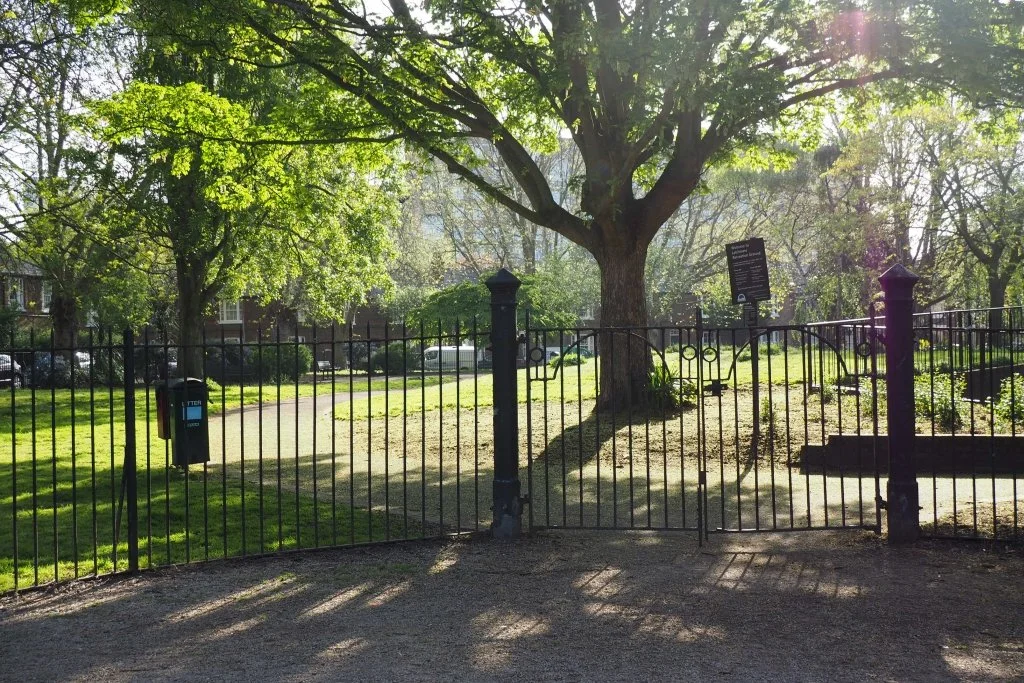
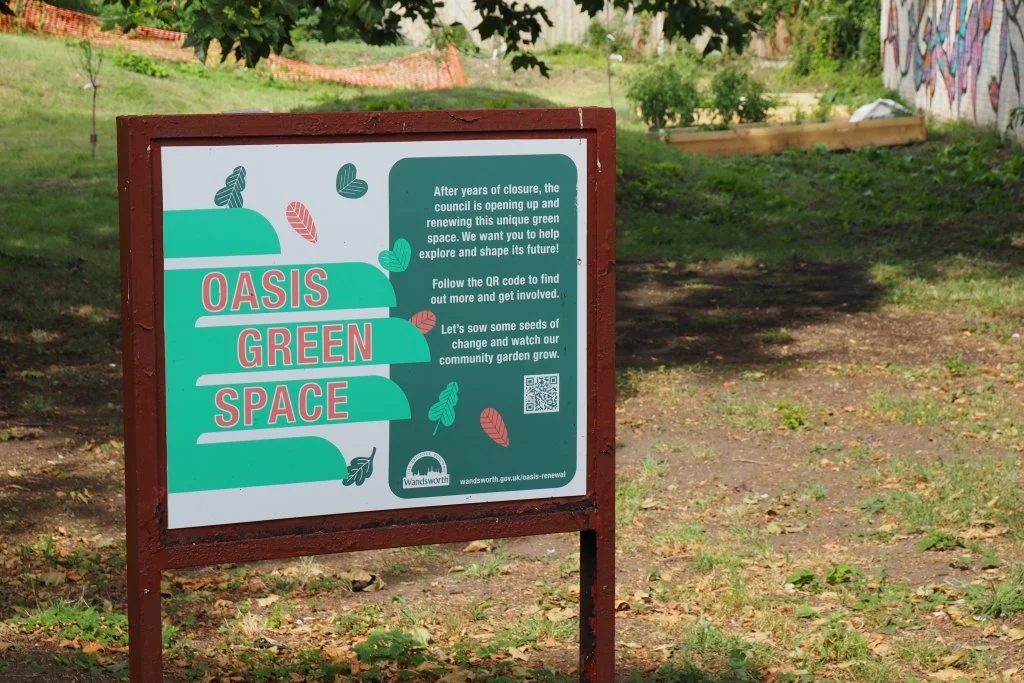
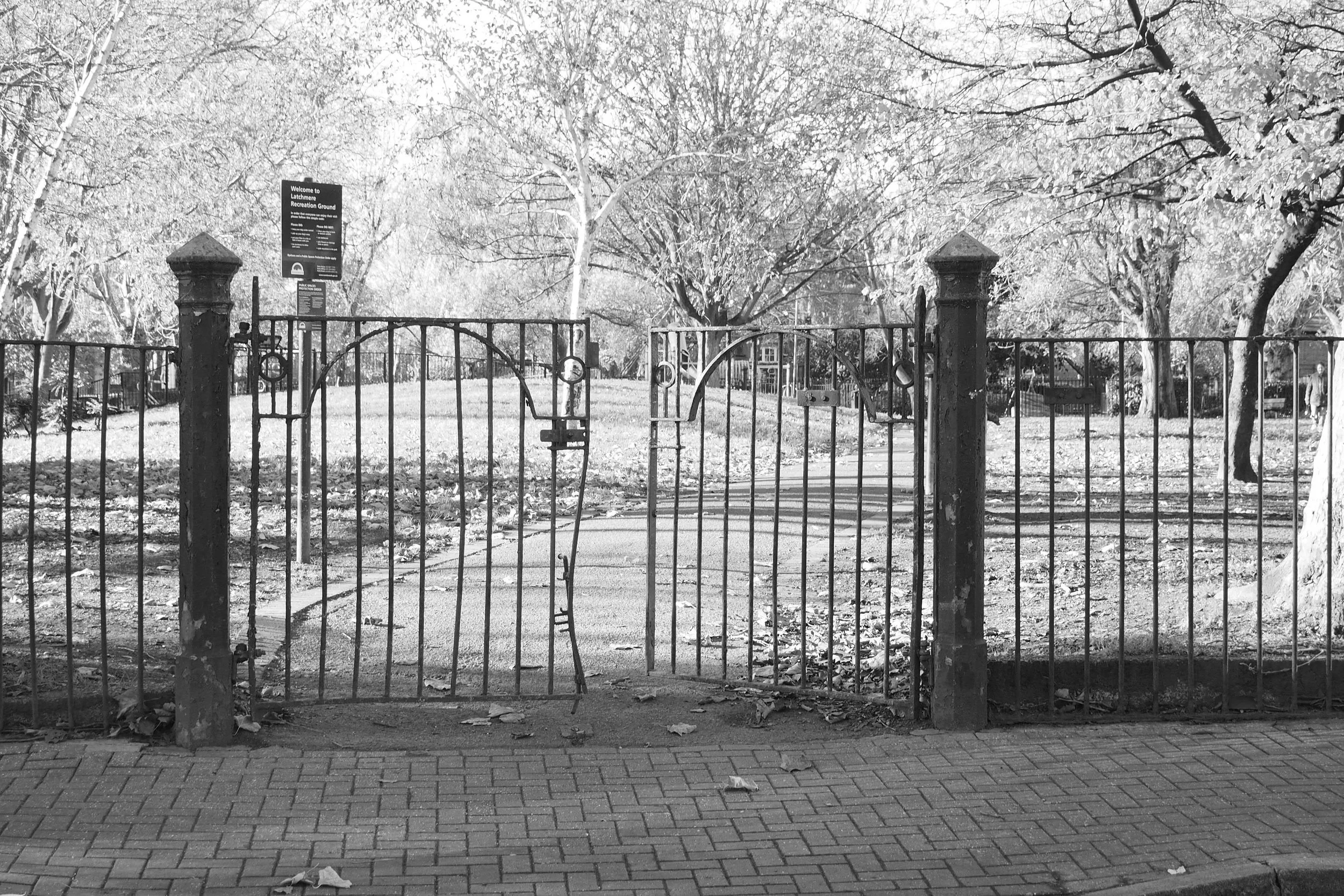
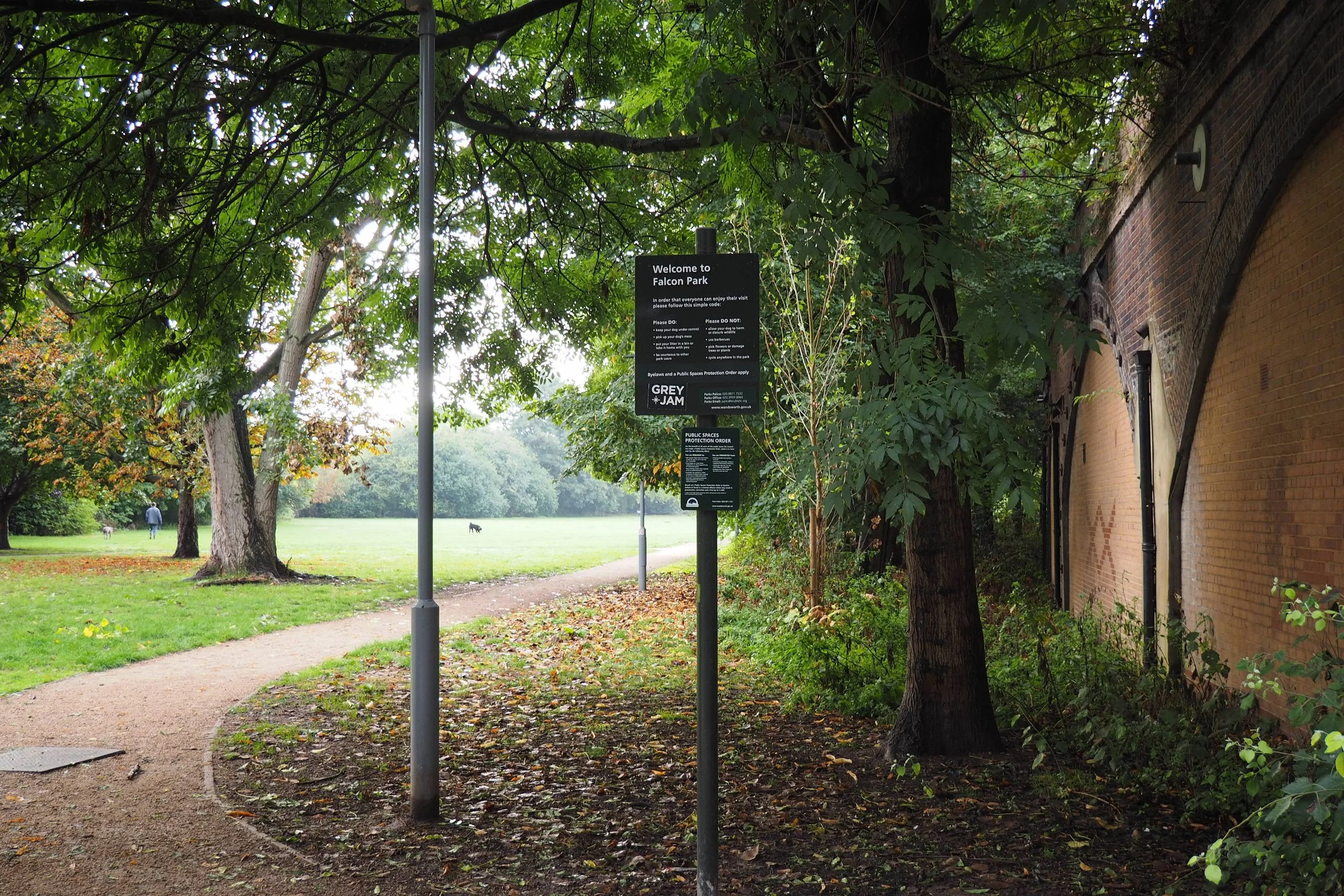
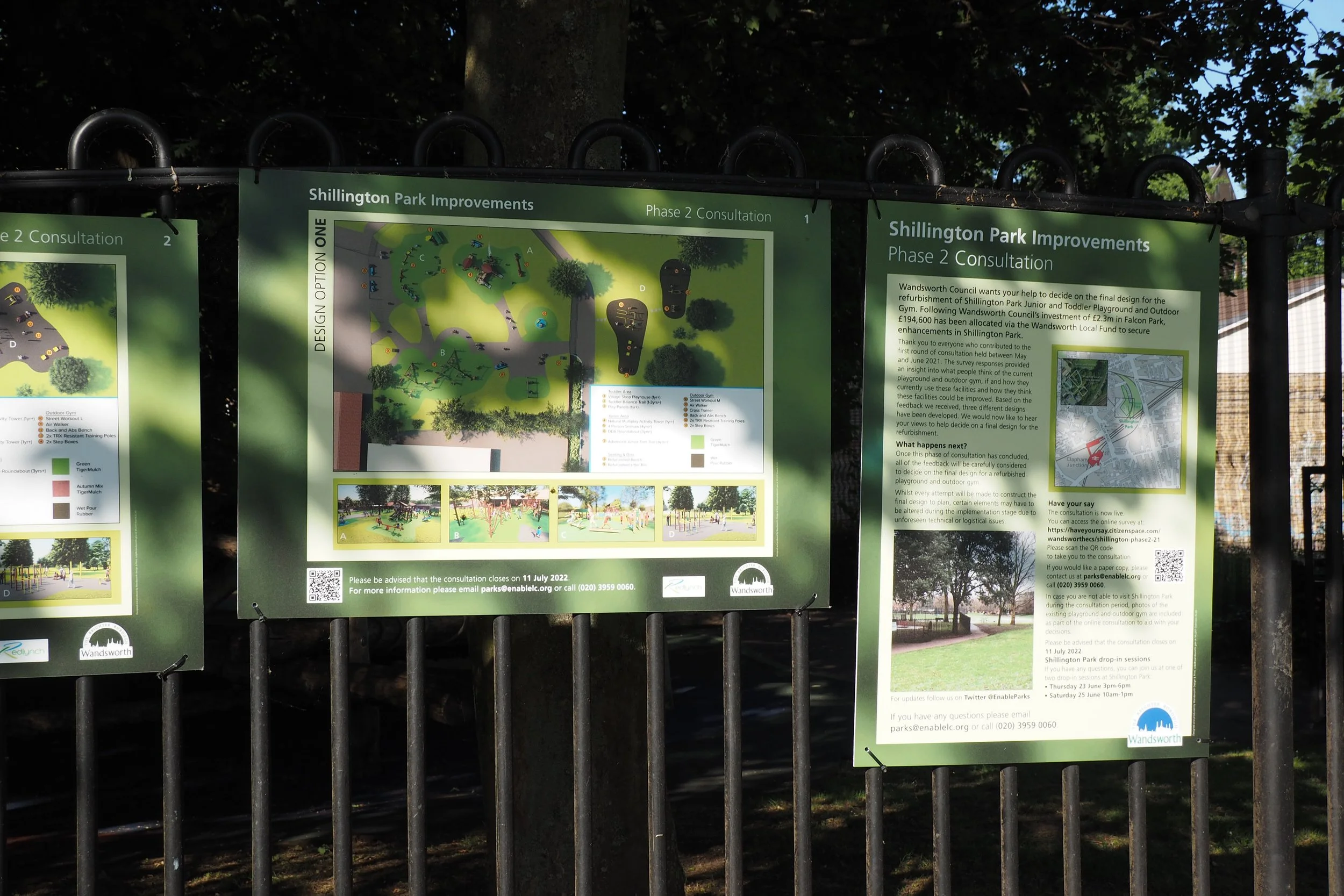
Battersea also has more than twenty smaller neighbourhood parks, public gardens and other green open spaces. Some are again Victorian or Edwardian in origin (Christchurch Gardens, Vicarage Gardens, Latchmere Recreation Ground, St Mary’s Cemetery). Others such as Falcon and Shillington Parks, Heathbrook Park and Fred Wells Gardens were created following Second World War bomb damage and within slum clearance programmes. The Thames Path with its iconic views across the river to Pimlico and Chelsea was only created as Battersea’s riverside industries were replaced by residential development, from the 1980s onwards. More recently Nine Elms has acquired two substantial new ‘developers’ parks’ (Riverside, Linear) as well as The Oasis in Thessaly Road, a council-funded pocket park. York Gardens is also expected to be partially re-sited and upgraded within the ongoing regeneration of the York Road and Winstanley Estates.
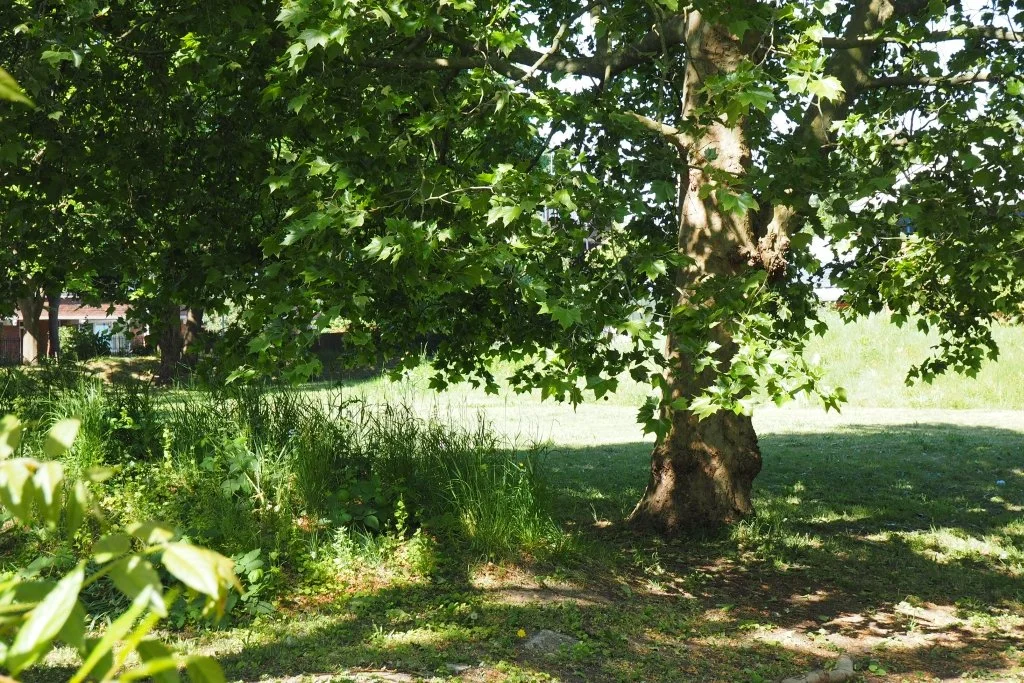
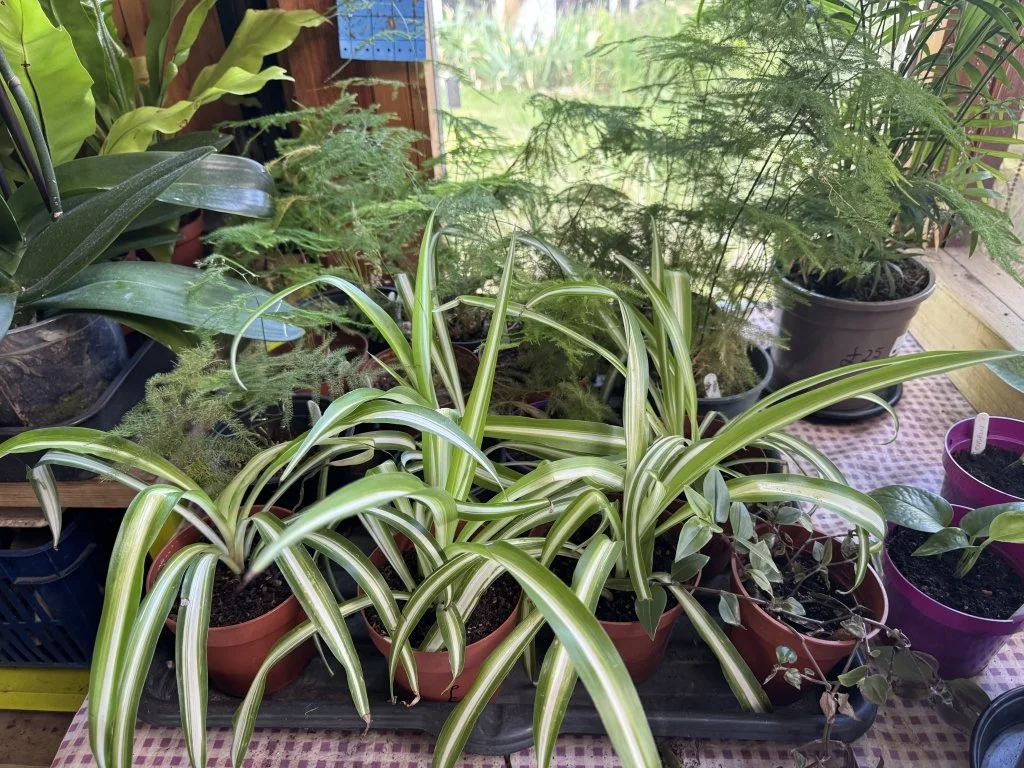
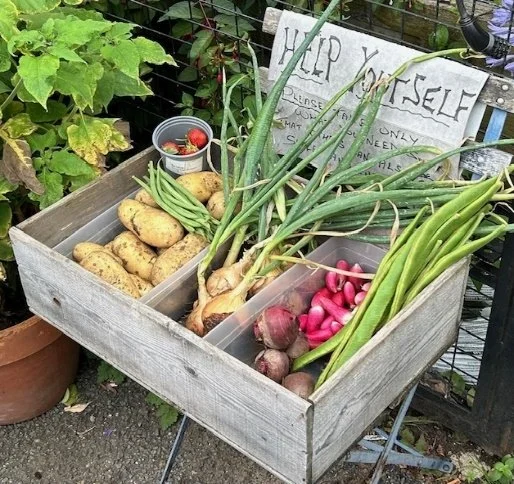
The Oasis Thessaly Road: Battersea’s newest pocket park, opened in 2024.
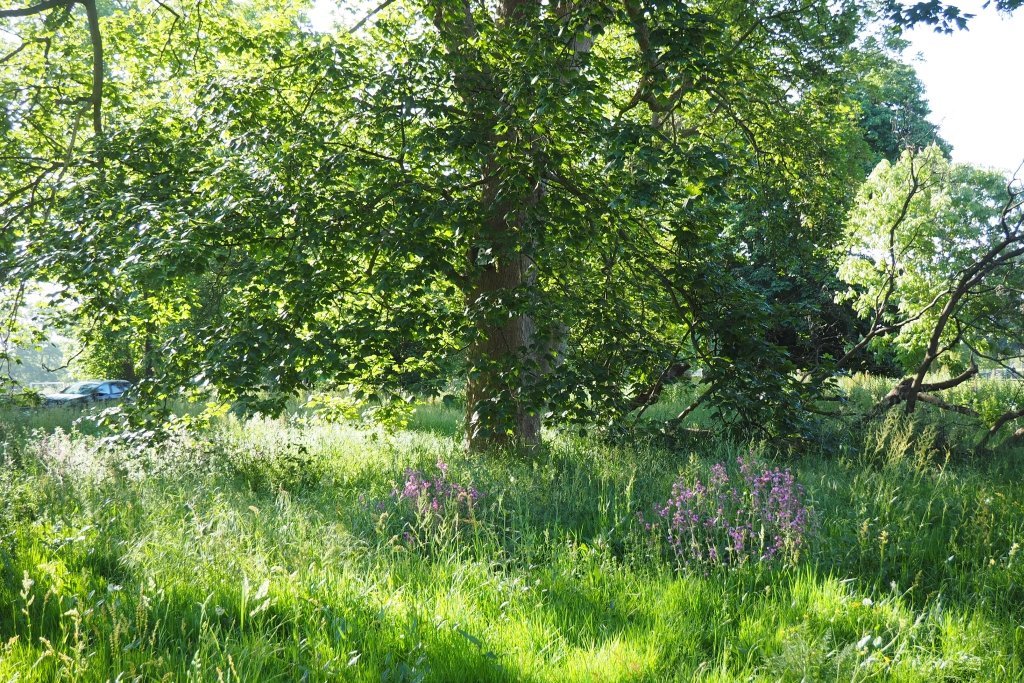
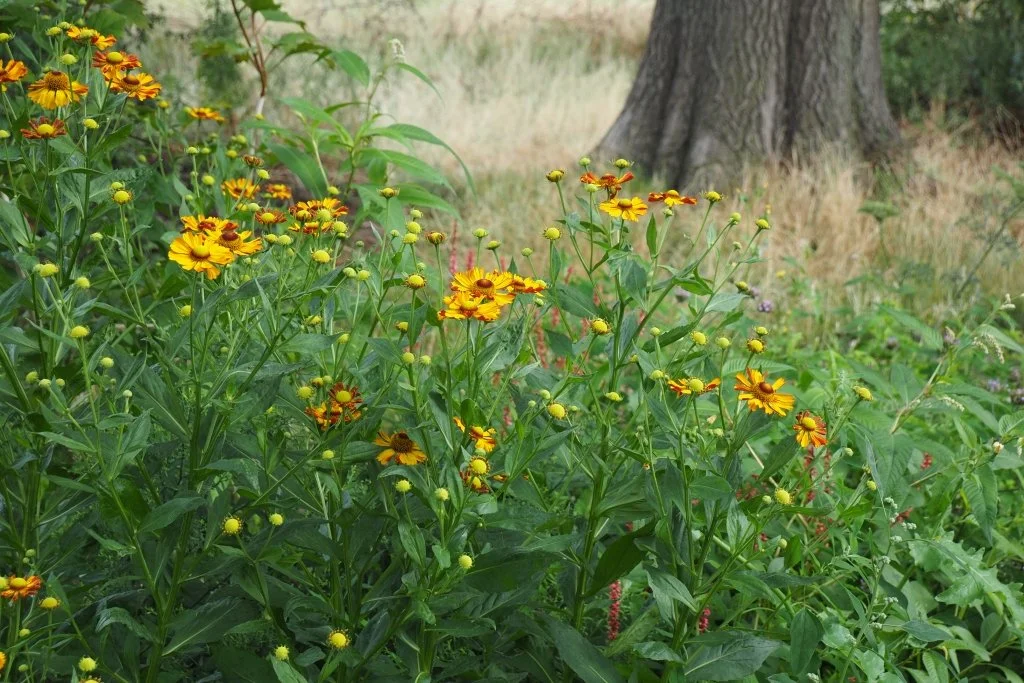
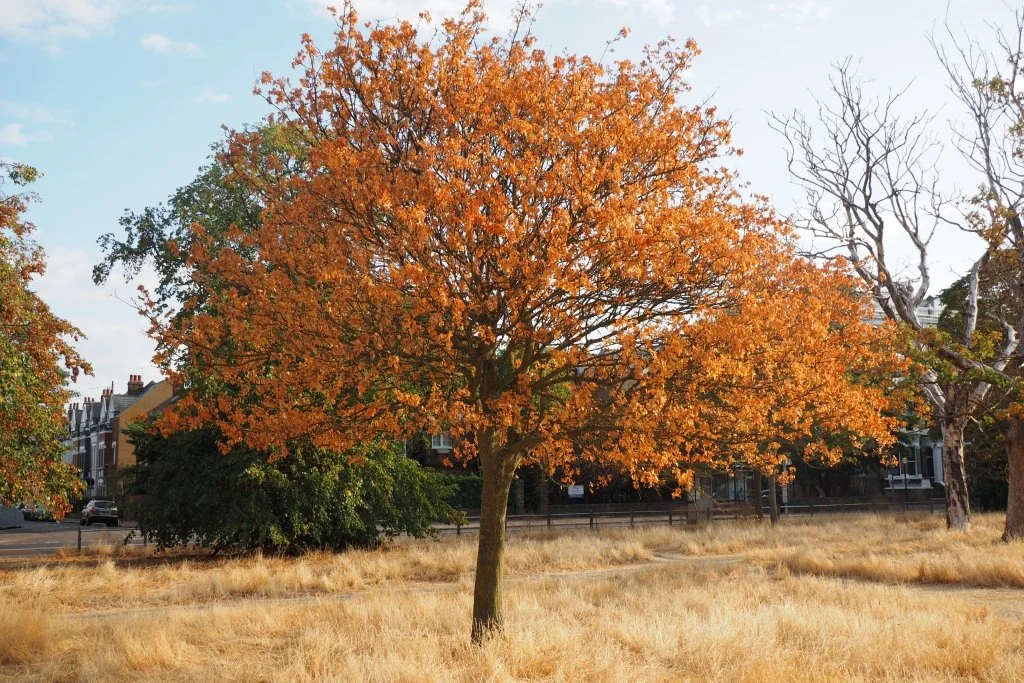
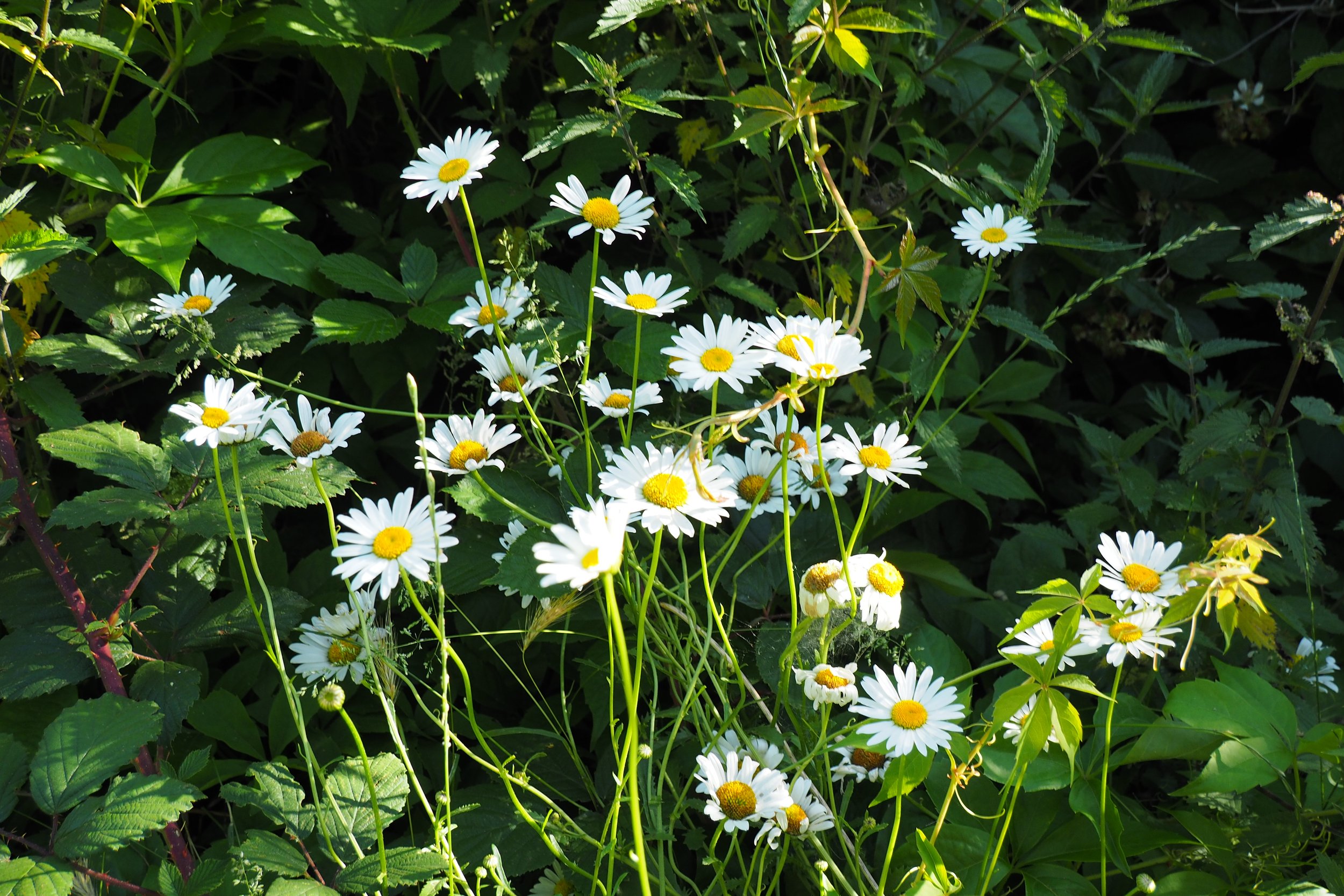
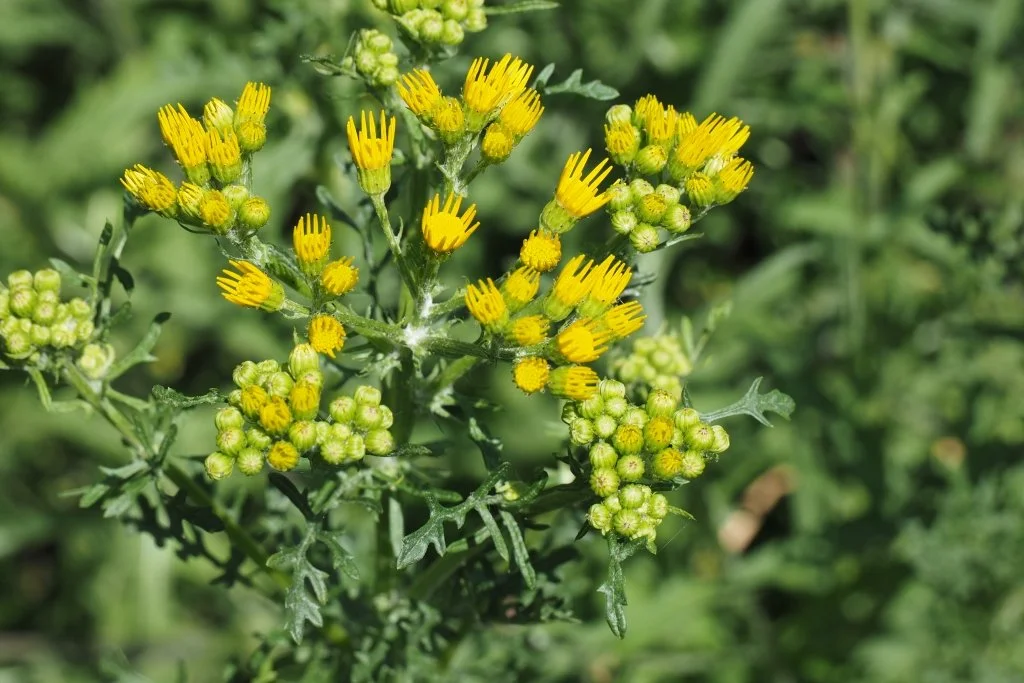
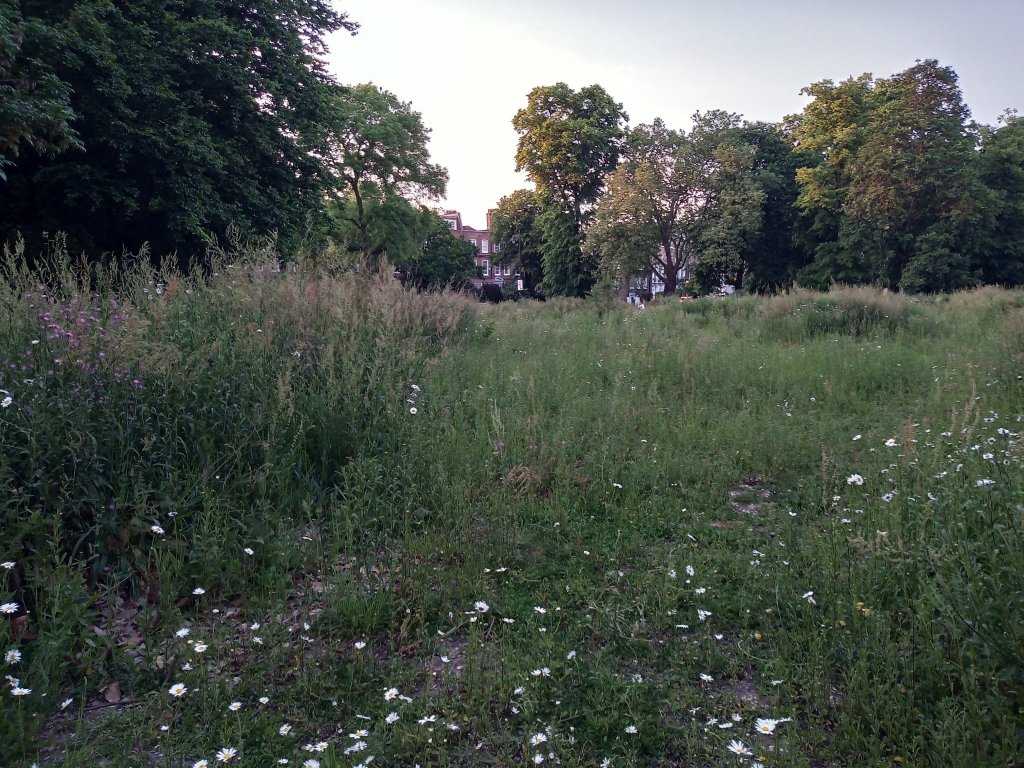
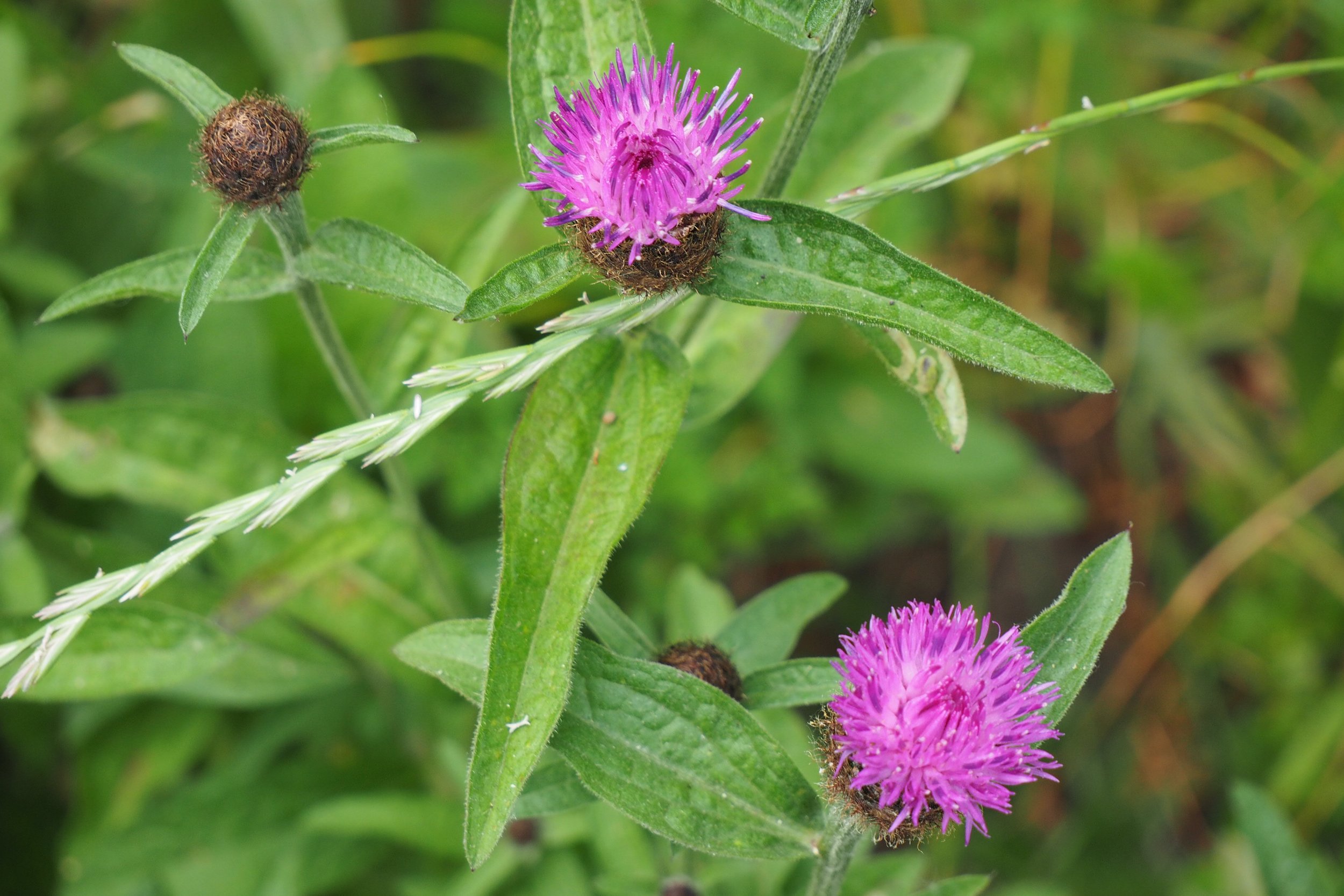
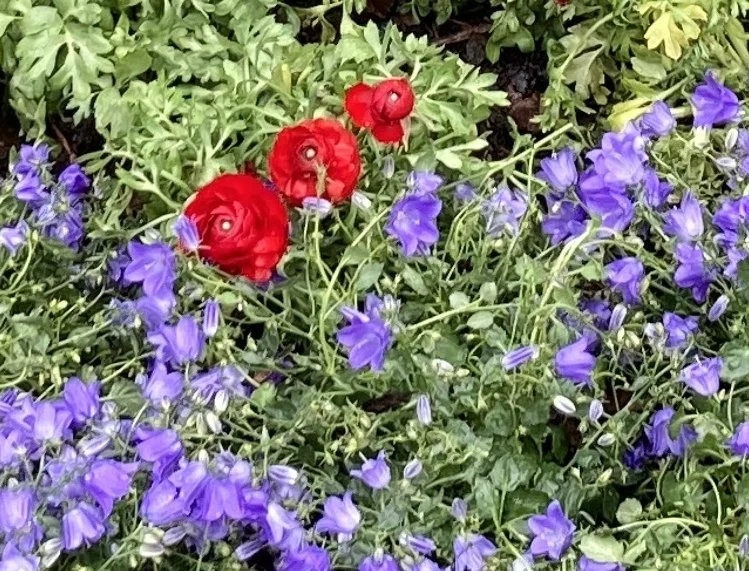
Wildflowers on the Battersea side of Clapham Common.
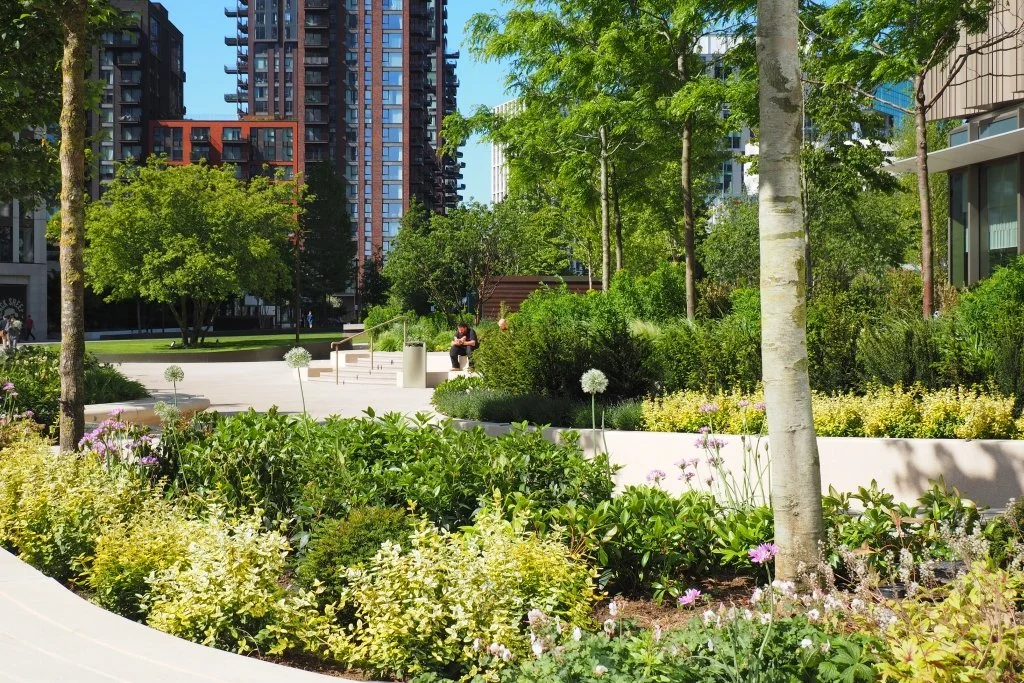
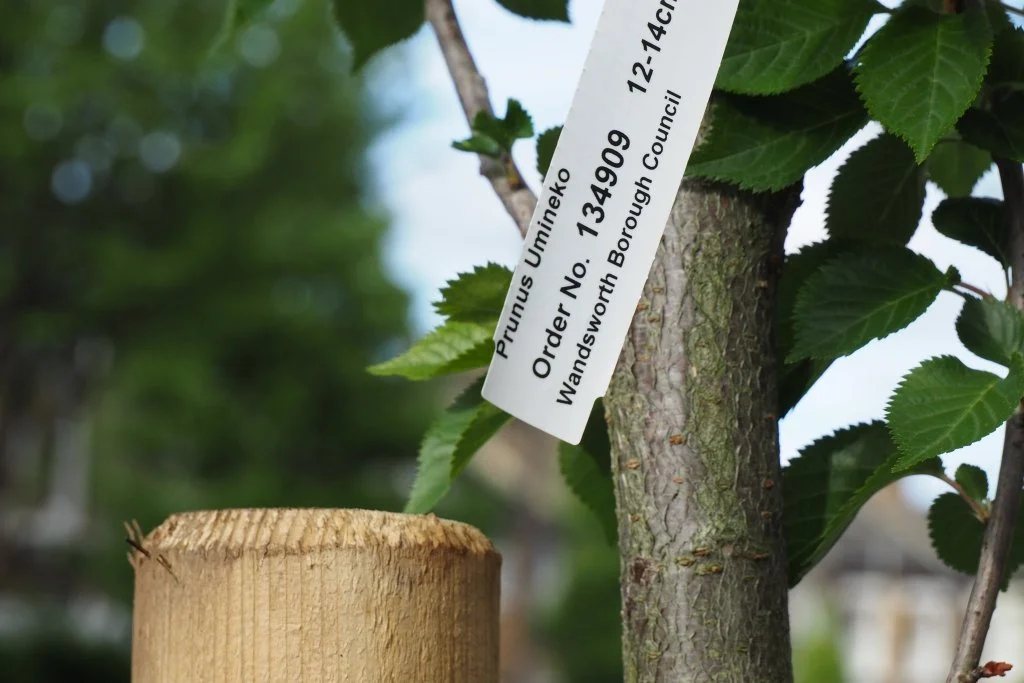
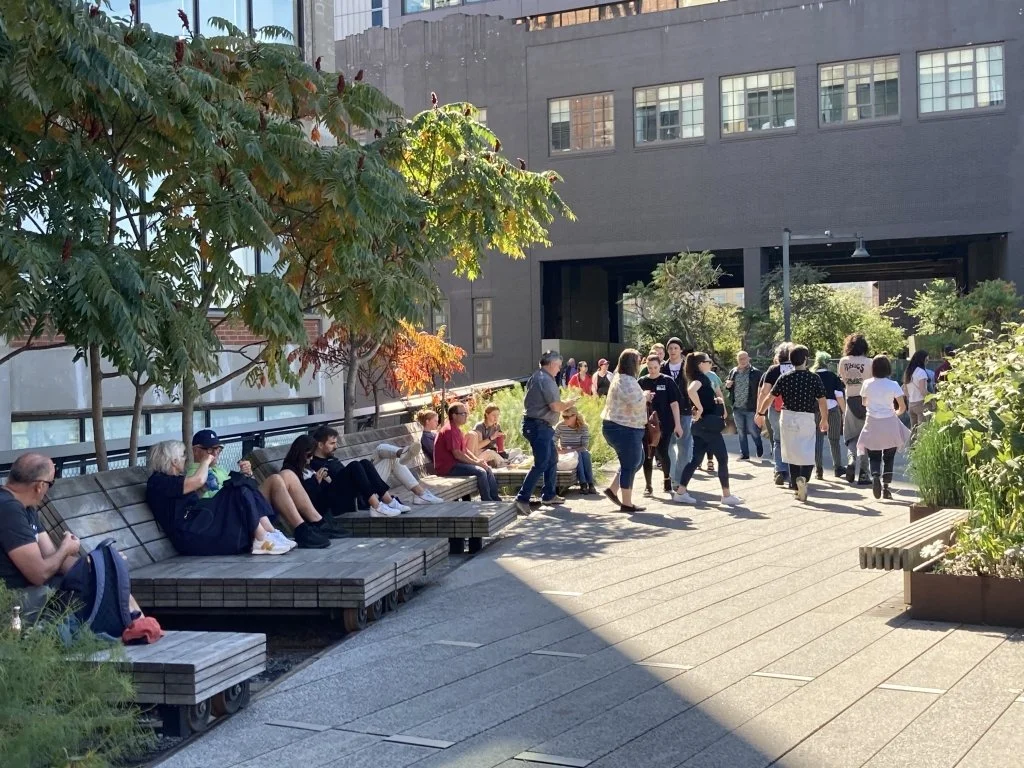
Part of the new Linear Park in Nine Elms.