
Keeping It Local: Thrive in Battersea Park
By Elaine Michel, Open Spaces committee member and Society trustee
The London base of horticultural therapy charity Thrive is right here in Battersea Park; in July I went there to interview Regional Centre Manager Cathy Graham about its work.
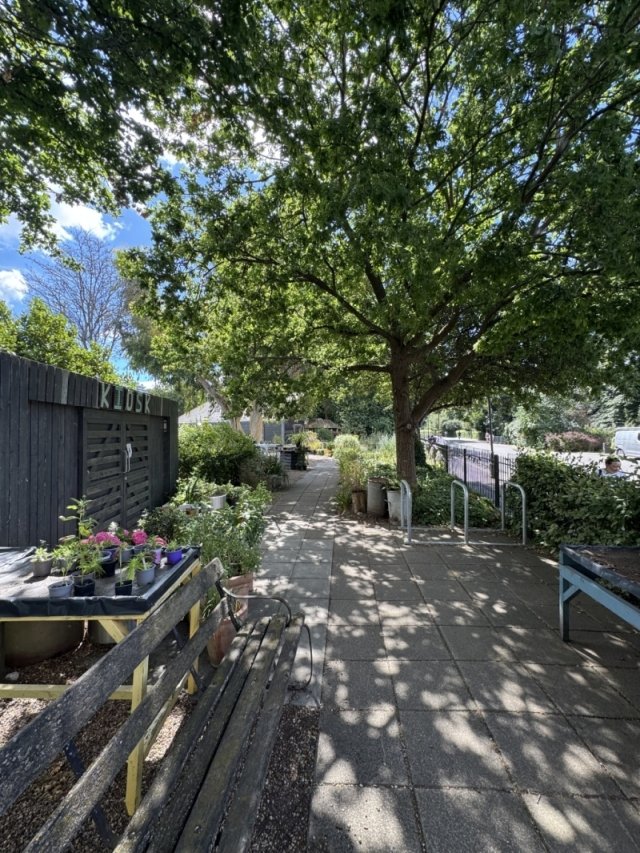
Thrive’s plant kiosk outside its main office in Battersea Park. All photos © Elaine Michel.
Q: Please introduce Thrive to our readers.
A: Thrive was set up over 40 years ago. We use horticultural therapy, or Social and Therapeutic Horticulture (STH) to give it the full title, to bring about positive changes in the lives of people living with disabilities or ill health, or who are isolated, disadvantaged or vulnerable. So as a therapy, it supports people’s physical and mental health, as well as communication and thinking skills. Our sessions are led by practitioners. You can find out more about our programmes on our website.
Q: Where are you based?
A: The London centre is in Battersea Park. Our main office is on the east side of the park next to the Millennium Stadium. We manage four areas in the park: the area around the office; the Winter Garden by Sun Gate; the Herb Garden within the Store Yard where Enable’s offices are located, on the west side near Albert Bridge, and finally the Old English Garden. Our outreach covers the whole of London including NHS and local authority care settings.
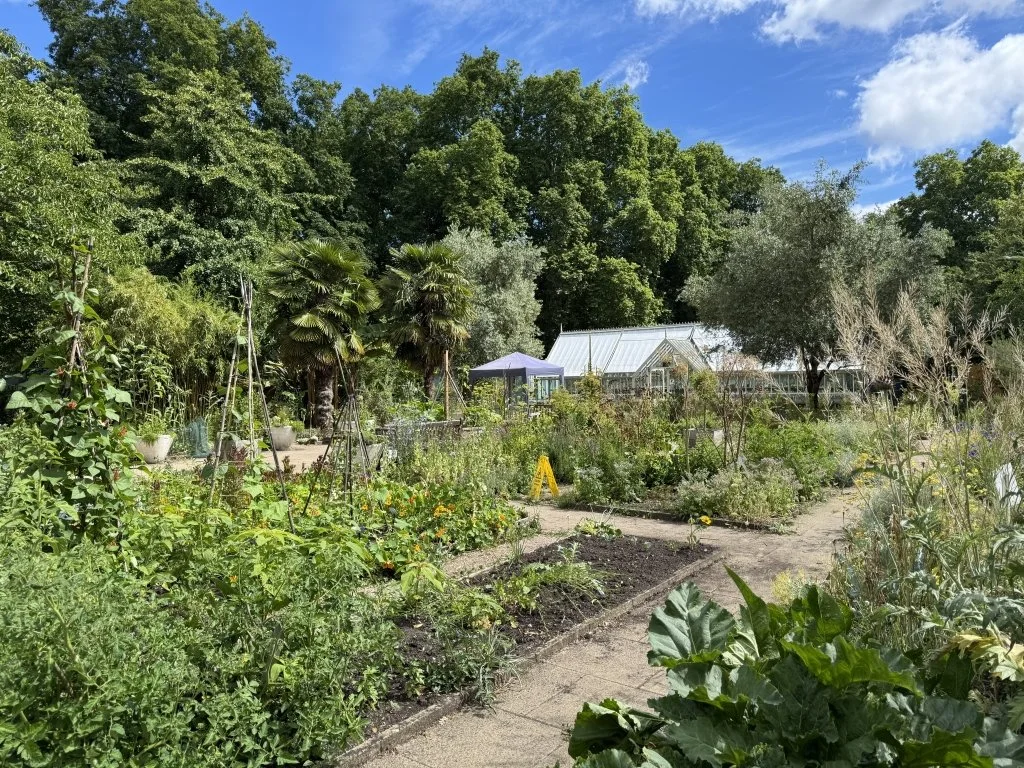
The Herb Garden.
Q: How did you come in to Social and Therapeutic Horticulture?
A: I’ve worked in a community setting in previous roles. From the community garden in Brockwell Park to a food growing project in Croydon, I have been involved in environmental projects for a number of years, and have seen first hand just how gardening can improve lives, whether for children, adults or people with specific needs.
Q: What does a typical session look like?
A: A session usually runs from 10am to 3pm with a one hour break for lunch. It’s very much tailored to the weather, time of year and specific needs of the clients.
Q: How is climate change impacting Thrive’s approach?
A: We have put together a working party to discuss how we adapt and develop resilience. We need to consider not only what we’re planting and where, but also the impact on the wellbeing of clients, practitioners and volunteers. For example, we take a non-manicured approach to planting, with weeds and wildflowers growing side by side with crops and more traditional garden plants. We think carefully about how we use water. Ensuring the soil is well mulched and not left bare helps retain moisture. We even make our own compost. When sessions can’t be run outside, we need to provide alternatives. Some gardening can be done indoors, like sowing seeds, potting on, etc, but we might run a crafting session instead.
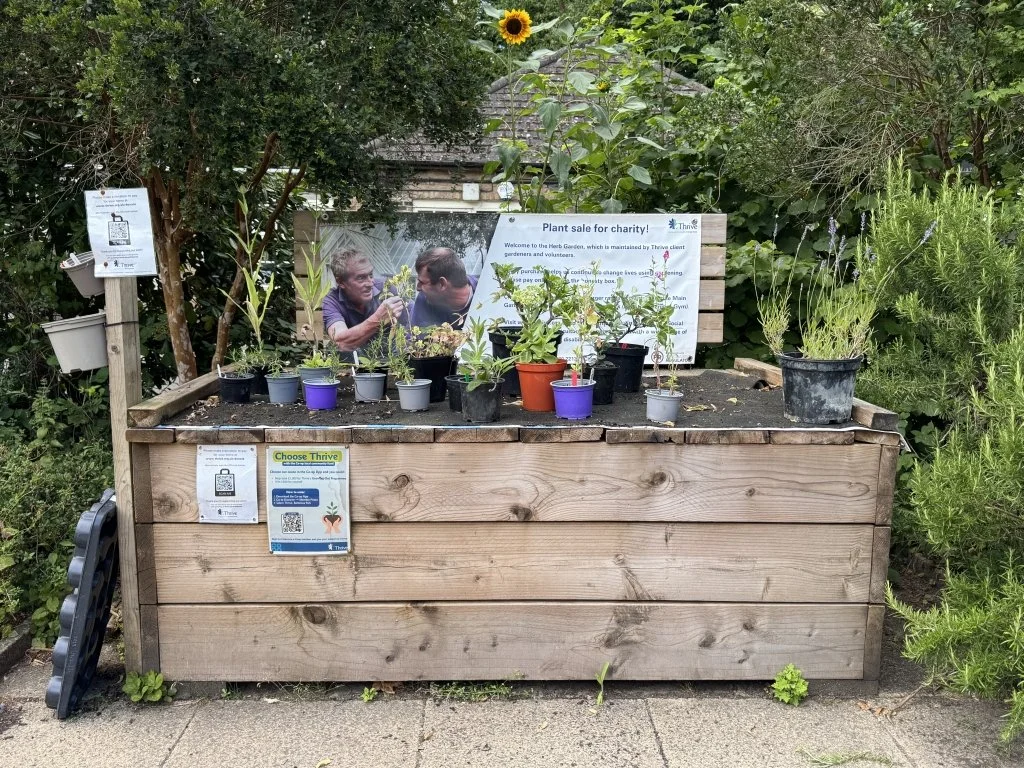
Garden plants for sale in the Herb Garden.
Q: What simple things can our readers do to be more sustainable?
A: Interestingly, young people I’ve been working with are experiencing a lot of eco-anxiety. It’s the day to day things in particular we can really influence. Like adapting how we garden, allowing more biodiversity – weeds and wild flowers for example are important sources of nectar and help provide ground cover and encourage pollinators into your green space. Recently we had a school group visit where they made bird and butterfly feeders. Just use what’s around you, you don’t need special materials. We are also happy to provide advice on all things gardening. Buying local is another way. At Thrive we grow our own plants, and the surplus plants are left out for sale in the Herb Garden as well as the main garden. We work on an honesty box principle so you can pop along any time. During office hours you can visit the main garden office to buy house plants. We get donations of these from big events such as Wimbledon, and recently, the Baftas, which is great as in the past they were just thrown away. Every plant you buy from us supports our work. I speak further about sustainability in the podcast I did last year with How Climate Change Affects… on Gardening. It’s a series which looks at the effects of climate change on different aspects of life.
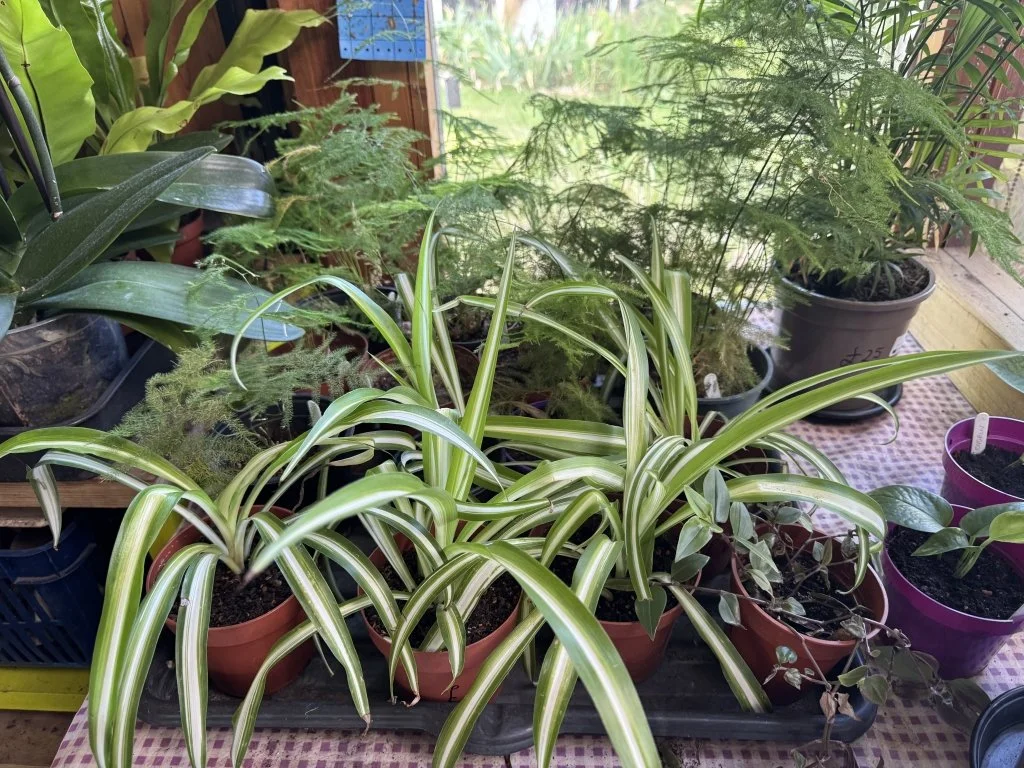
House plants for sale in the main garden office.
Q: You mentioned volunteers. If someone wanted to volunteer, would they need to know a lot about plants and gardening?
A: Our volunteers are usually keen gardeners anyway, but it’s definitely a good way to learn more. If you wanted to work with the practitioner in a client setting you would need to complete a DBS check, which we help you with. We also have Corporate Volunteering days. Our volunteers really help sustain our work.
Q: What are your plans for Thrive going forward?
A: Earlier I mentioned eco-anxiety amongst younger people. I’m currently looking for funding to work with younger people in the 18-25 age group. Young people can have a lot of local impact. We’d like to do more workshops. I’m exploring options with sister gardens and organisations too. We might also develop workshops – our clients make cards, collages and herbal teas, so this may be something longer term we could offer to a wider audience.
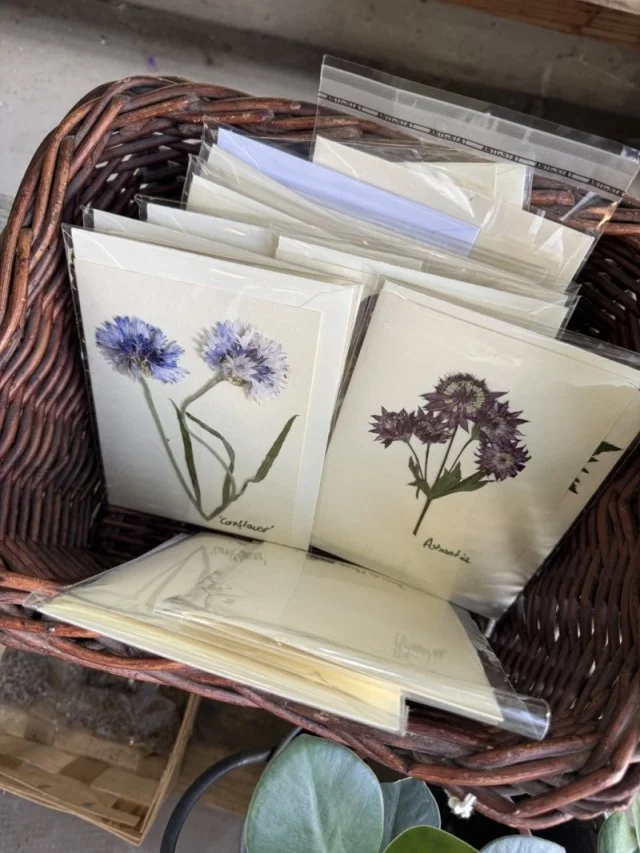
Greetings cards made by Thrive clients.
Q: And finally, what do you do to relax?
A: I’m so lucky, I love my job and it complements my hobbies: I have my own garden and allotment (!), I enjoy spending time with my grandchildren, cycling, swimming. I enjoy visiting other small gardens, the National Garden Scheme has lots of inspiring gardens to visit. Just being in green space brings me joy.
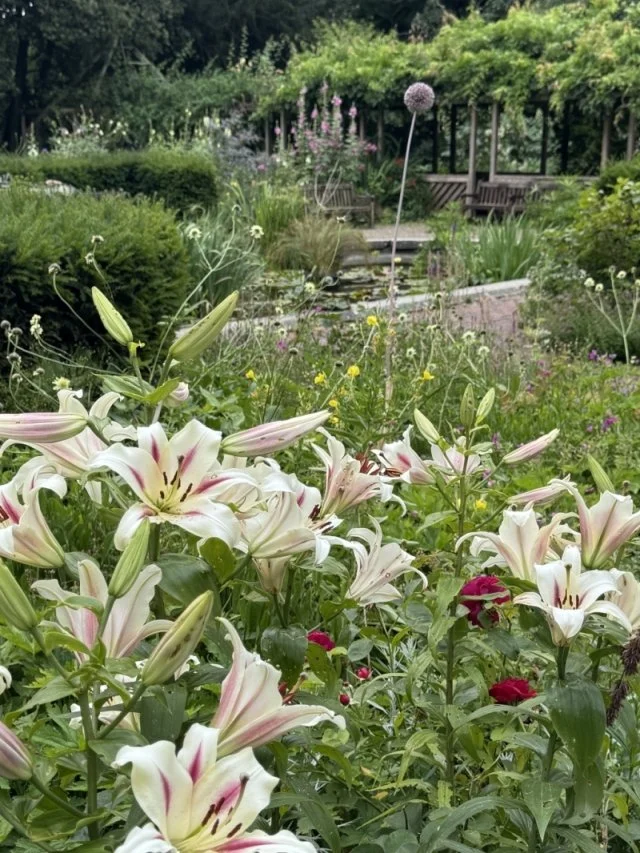
Battersea Park’s Old English Garden is tended by Thrive.